
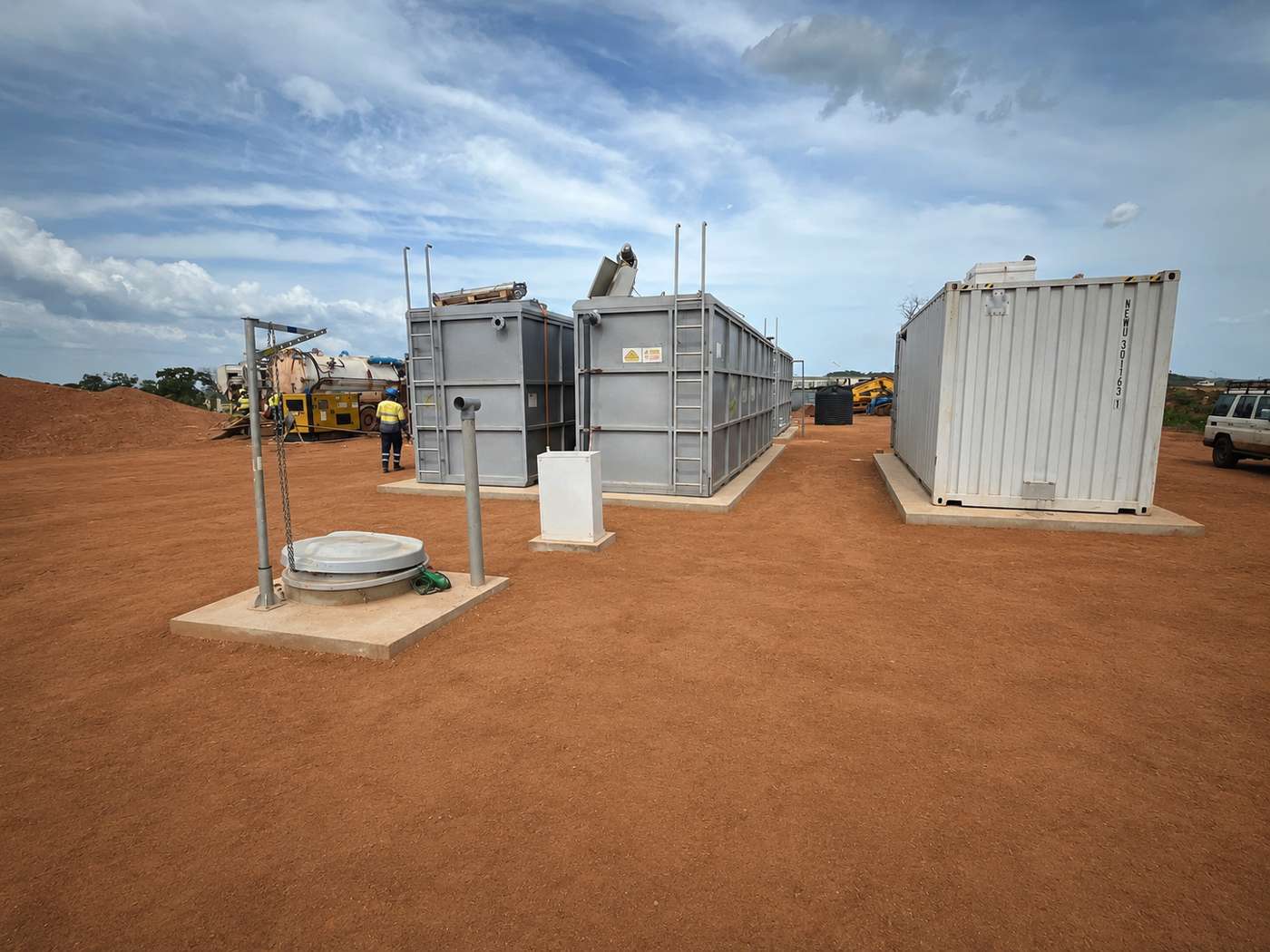
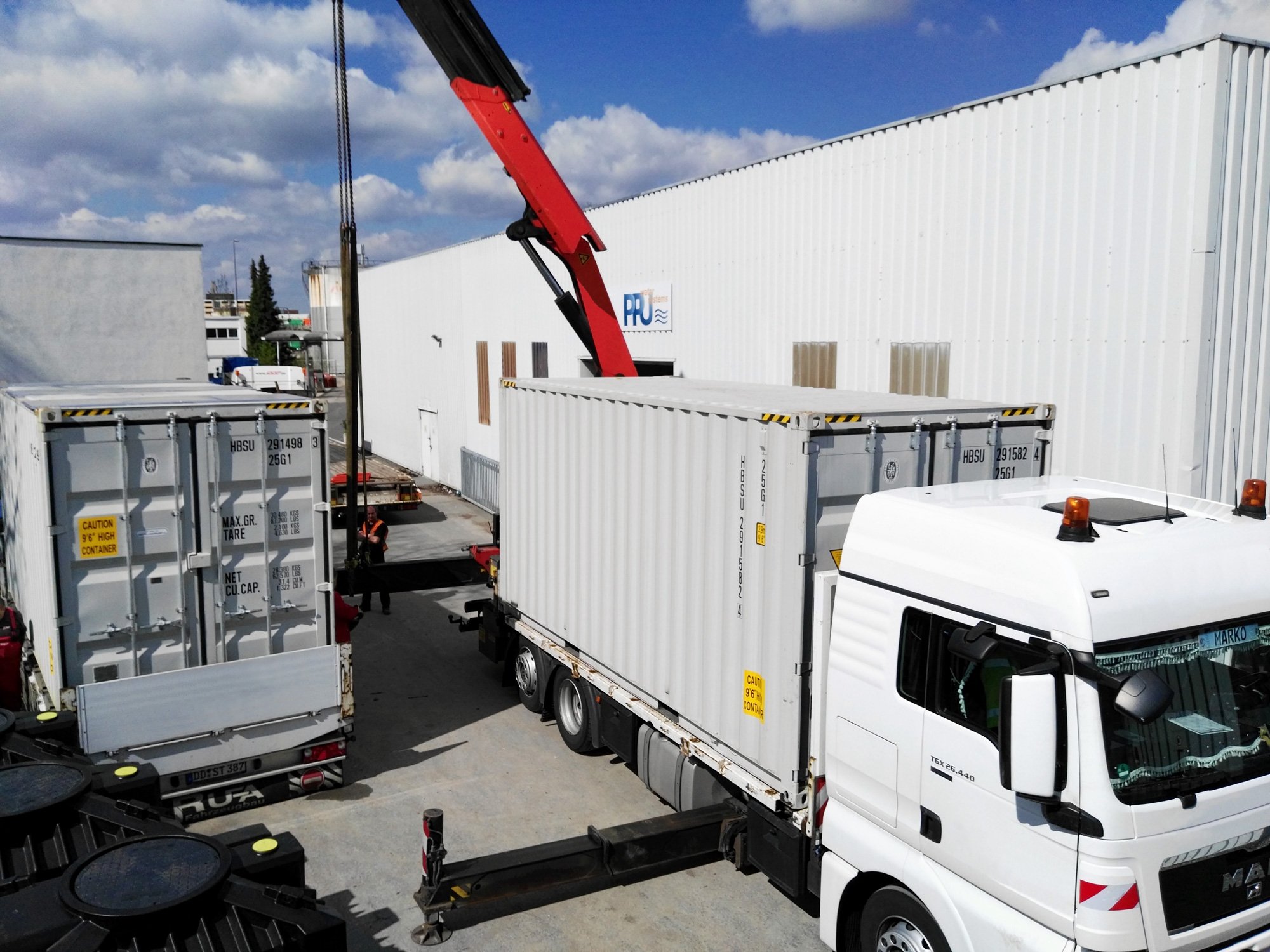
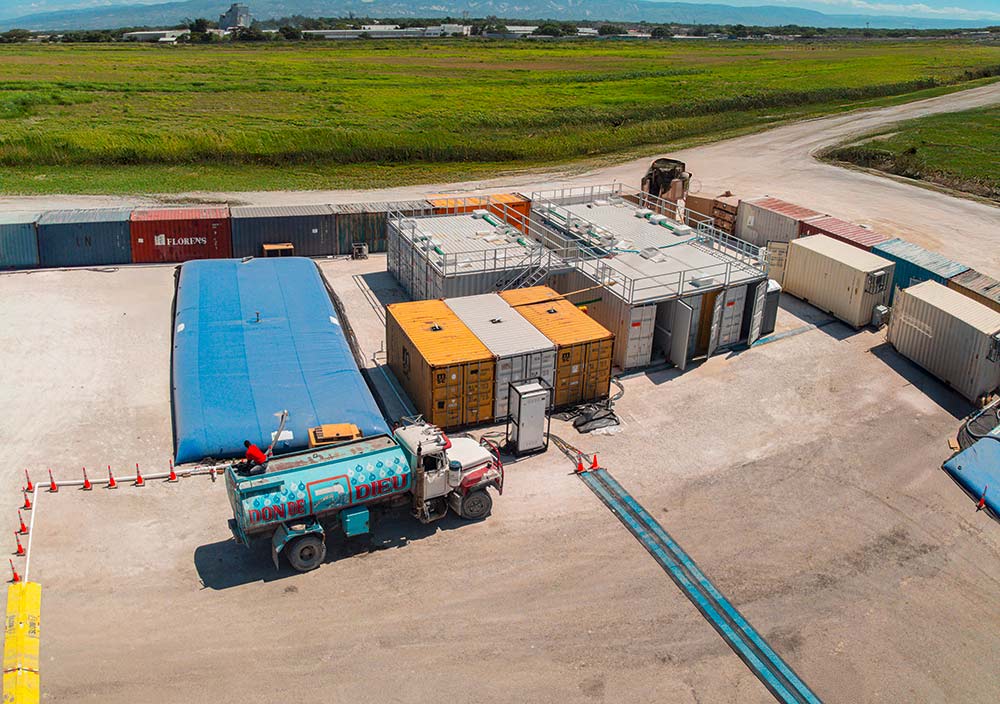
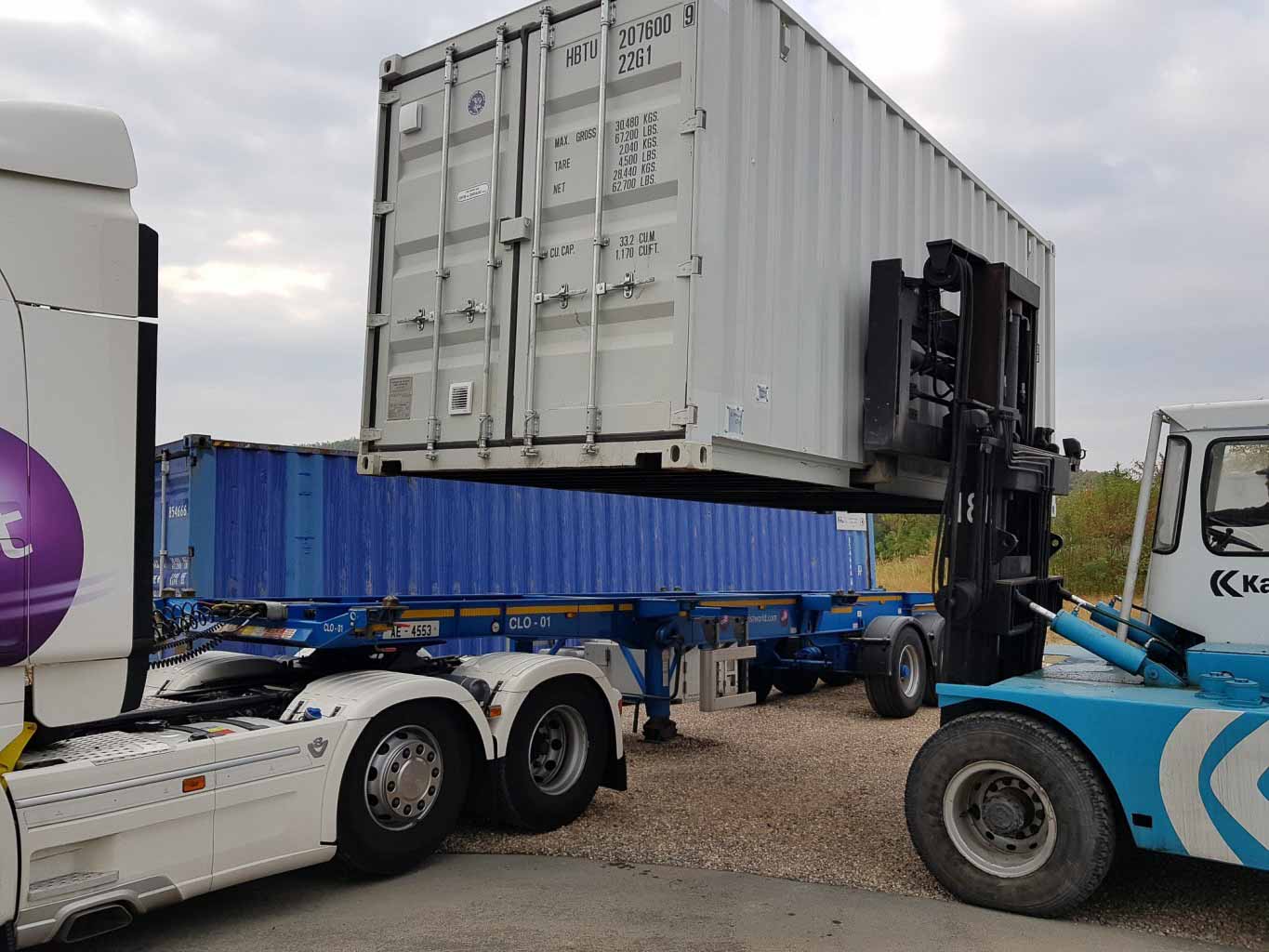
The benefit of using a CSC-Certified container for mobile WWT
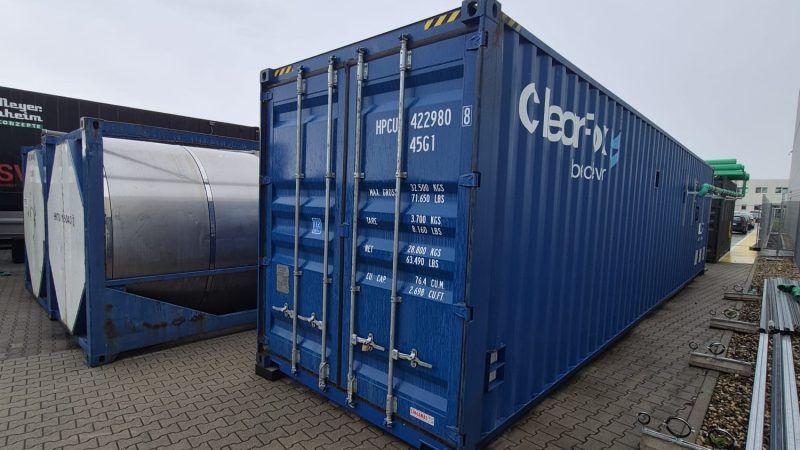
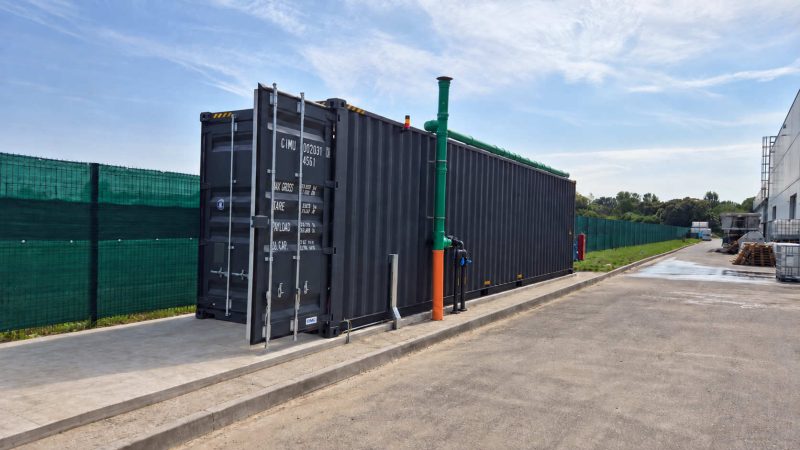
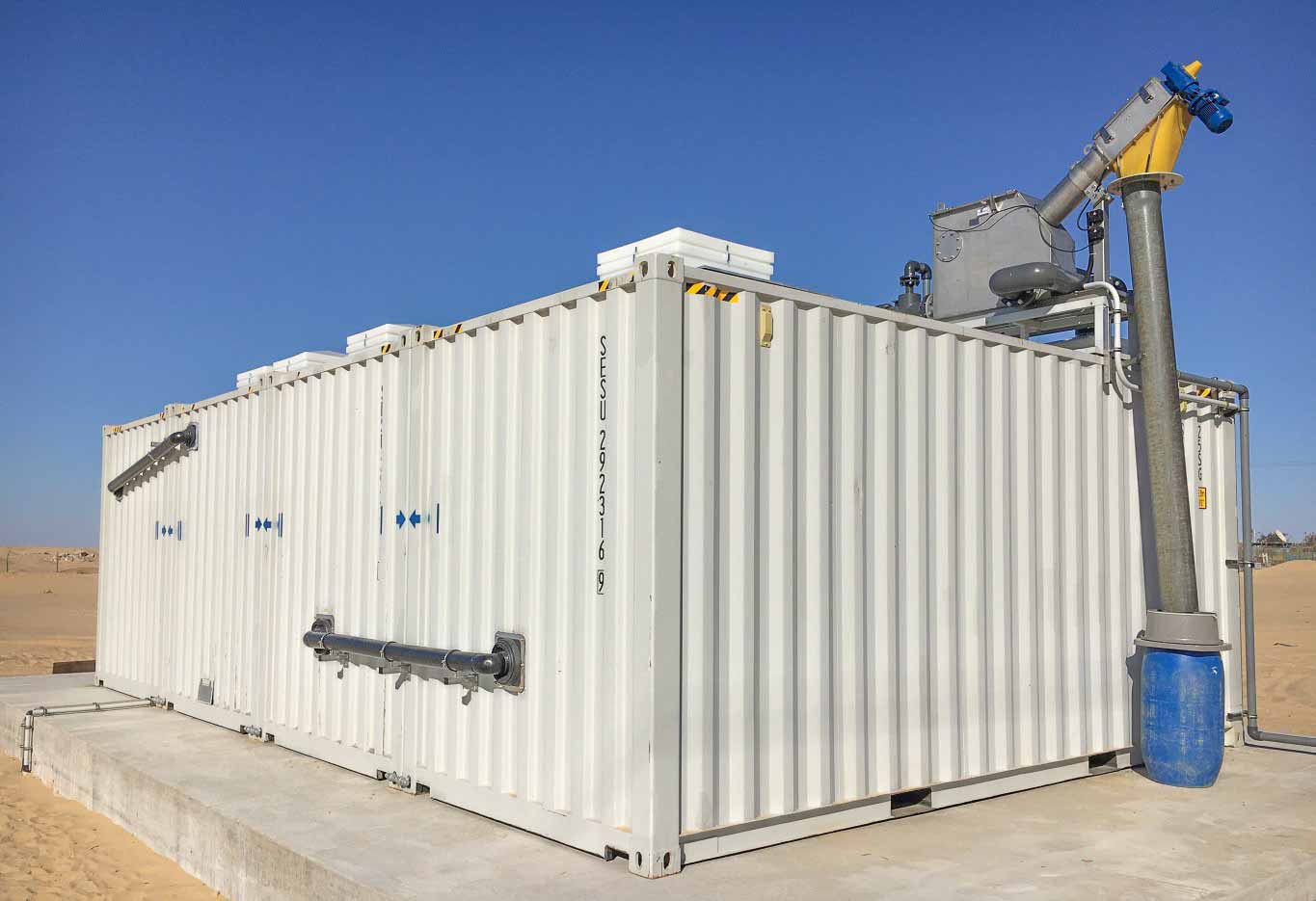
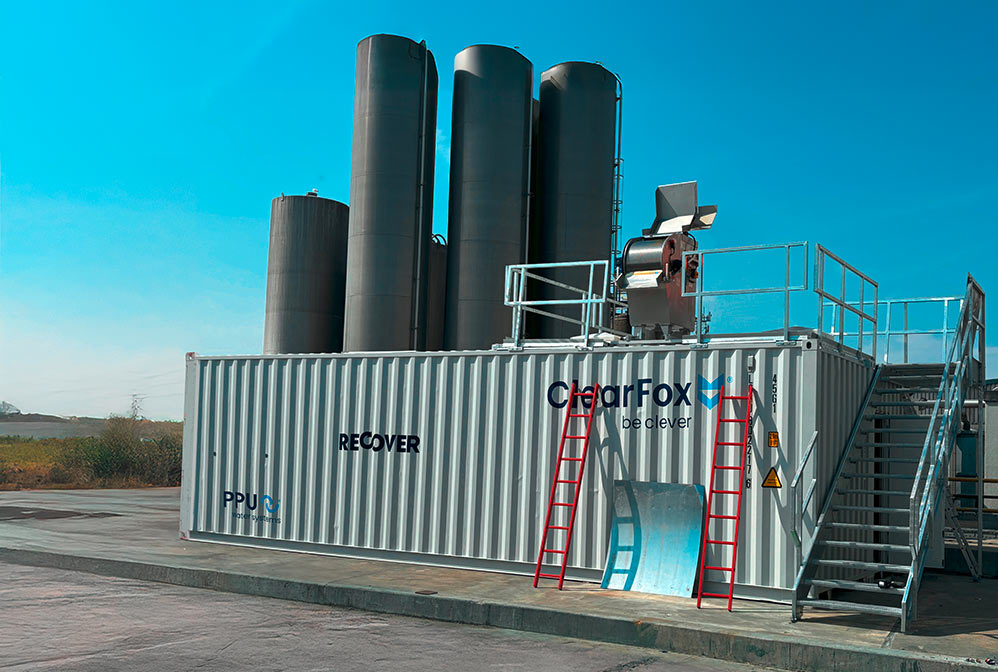
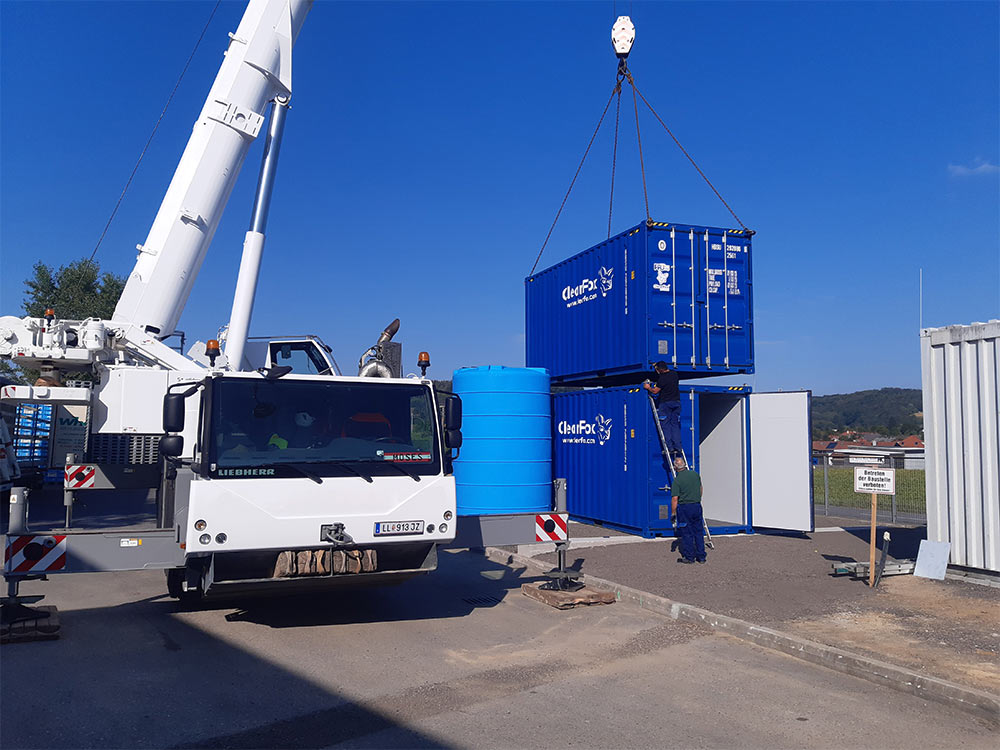
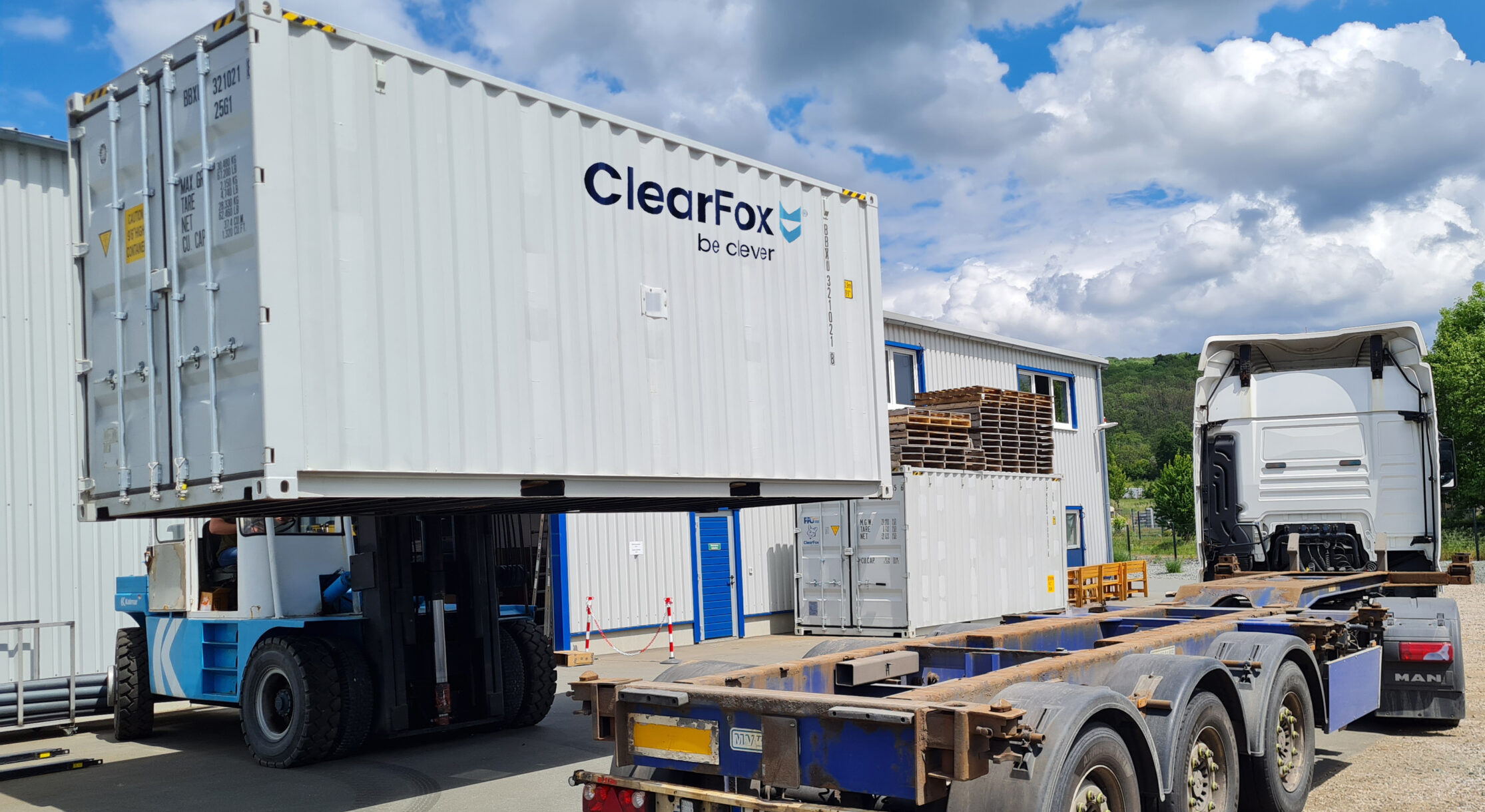
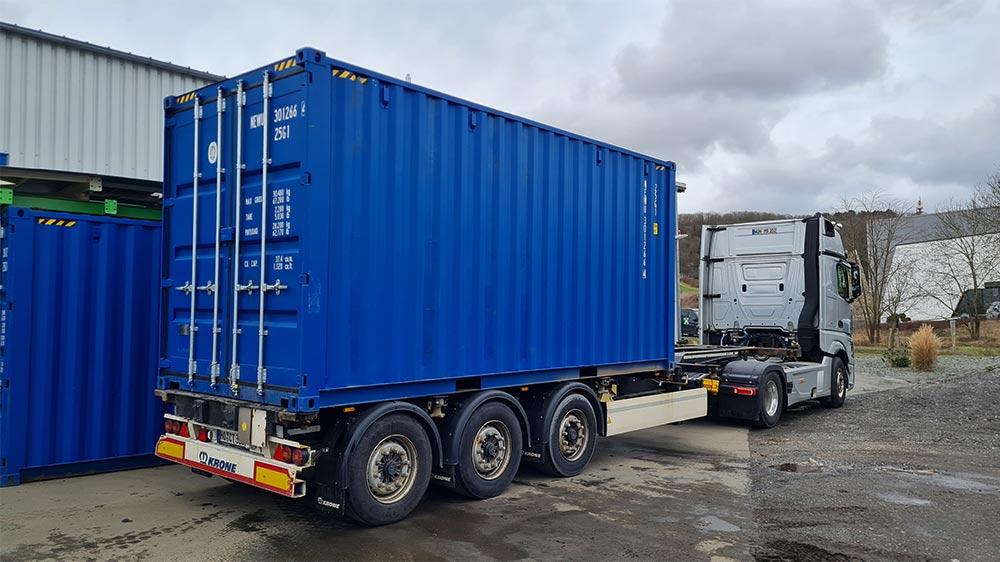
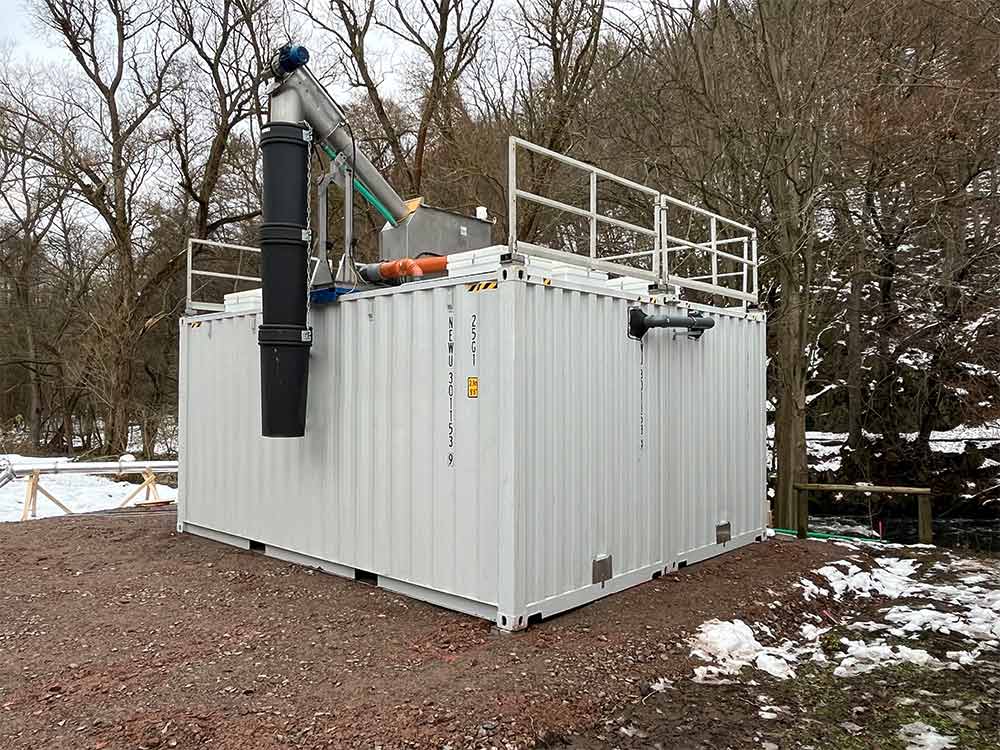
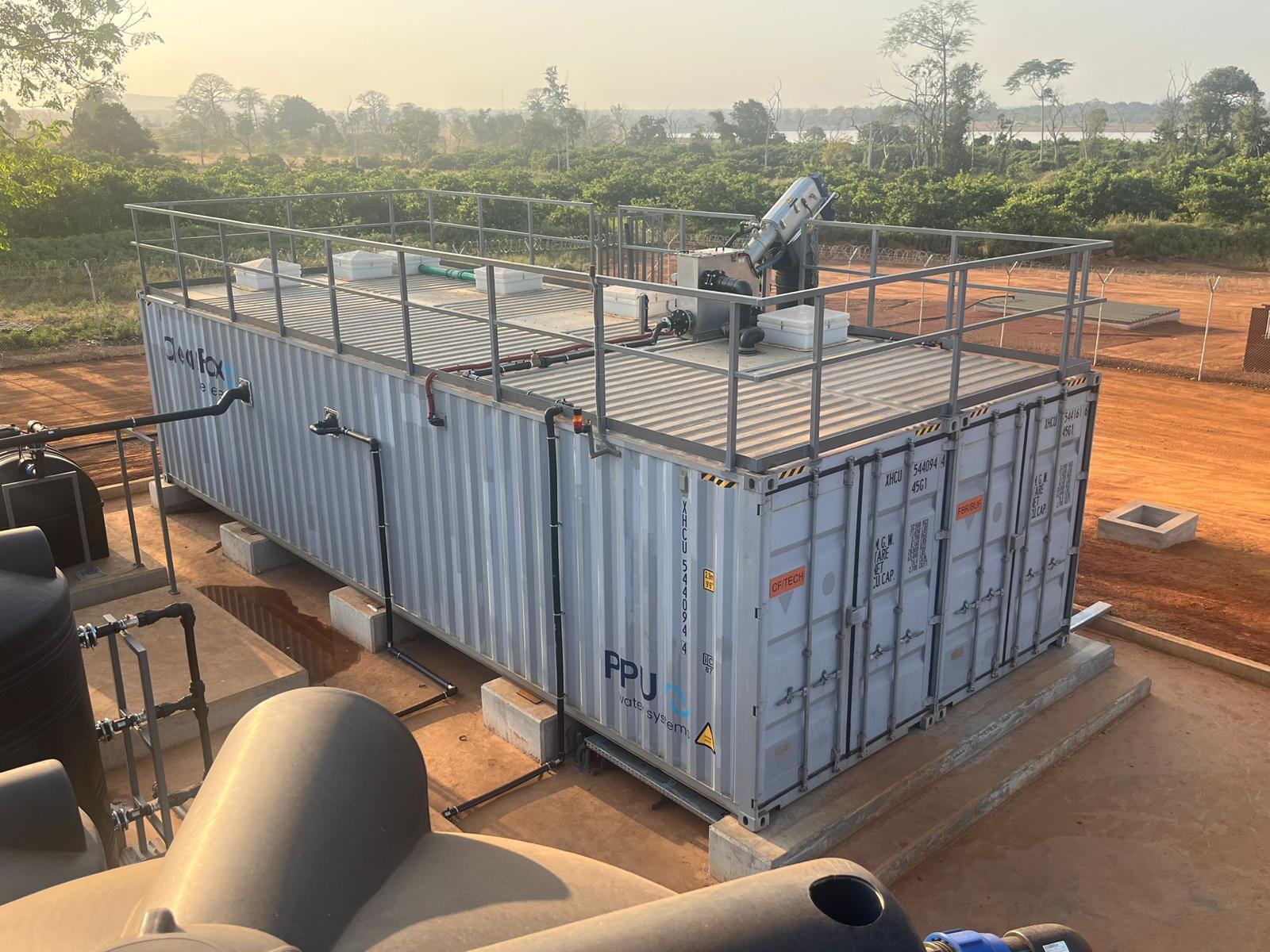
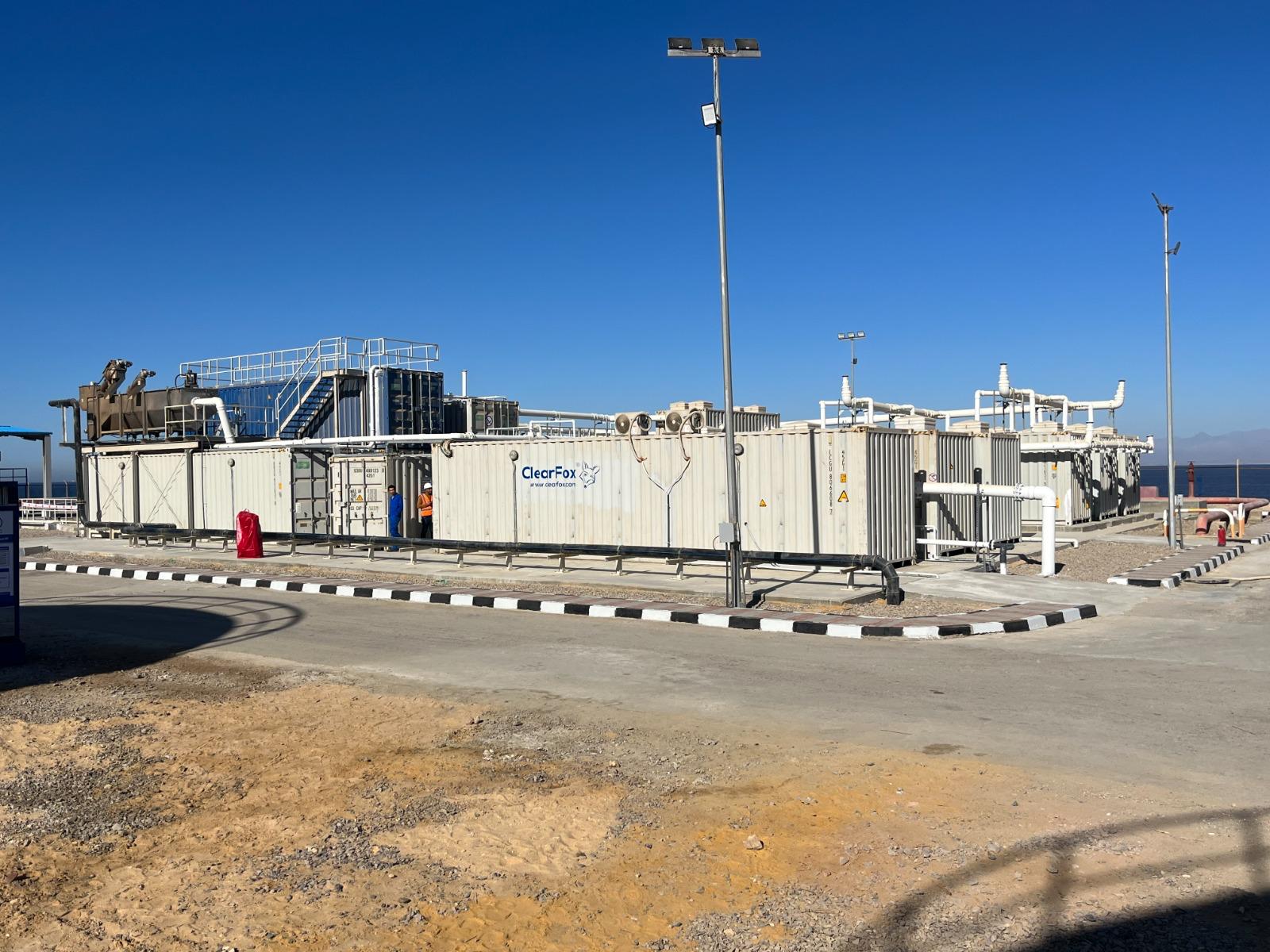
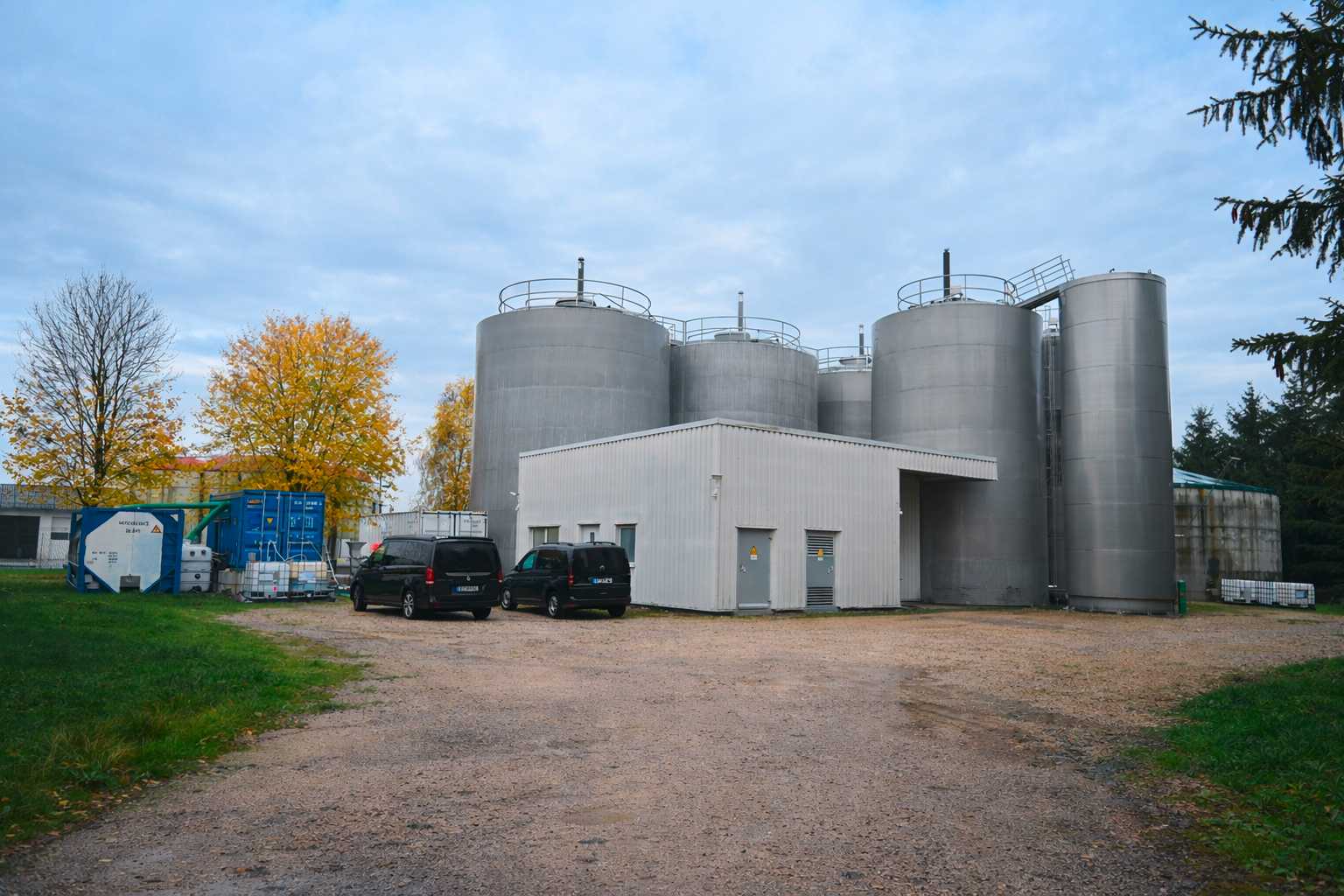
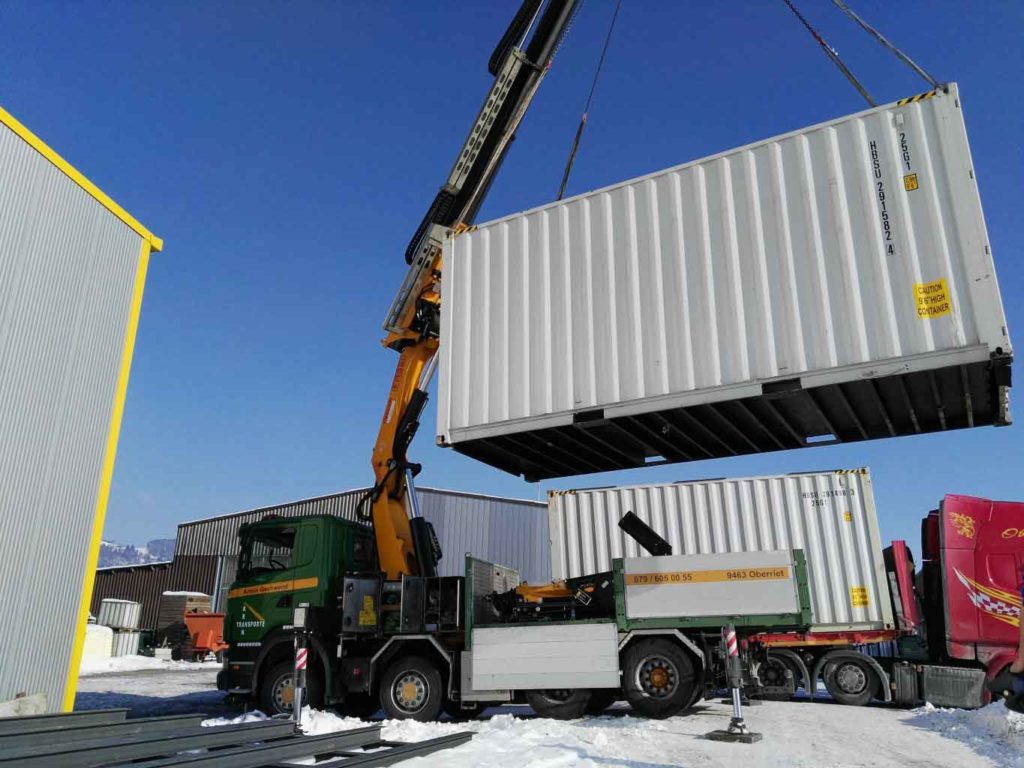
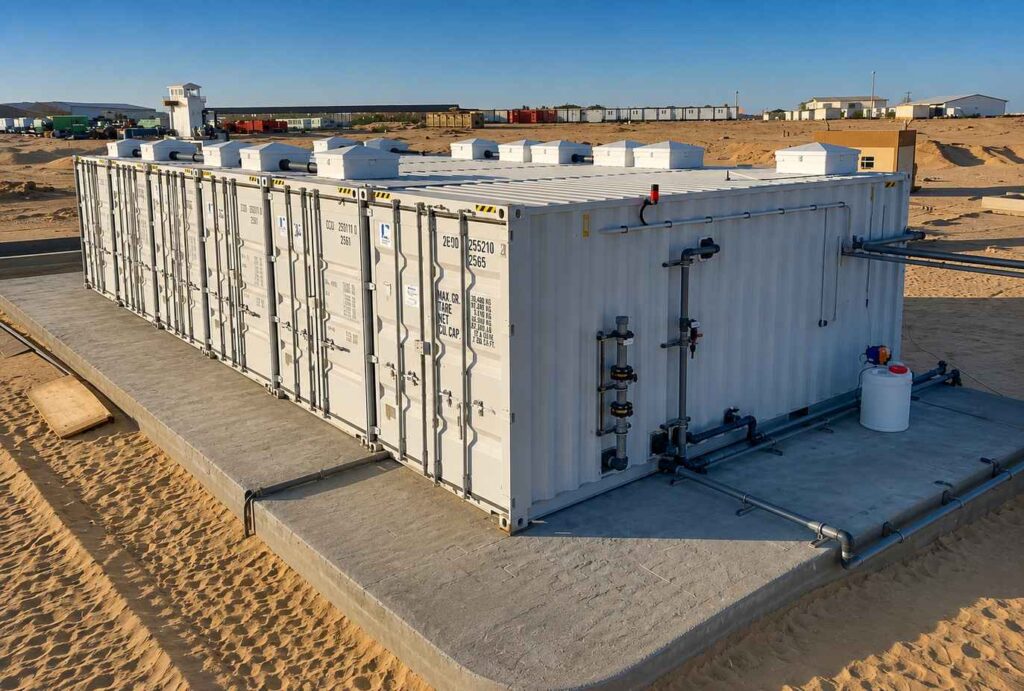
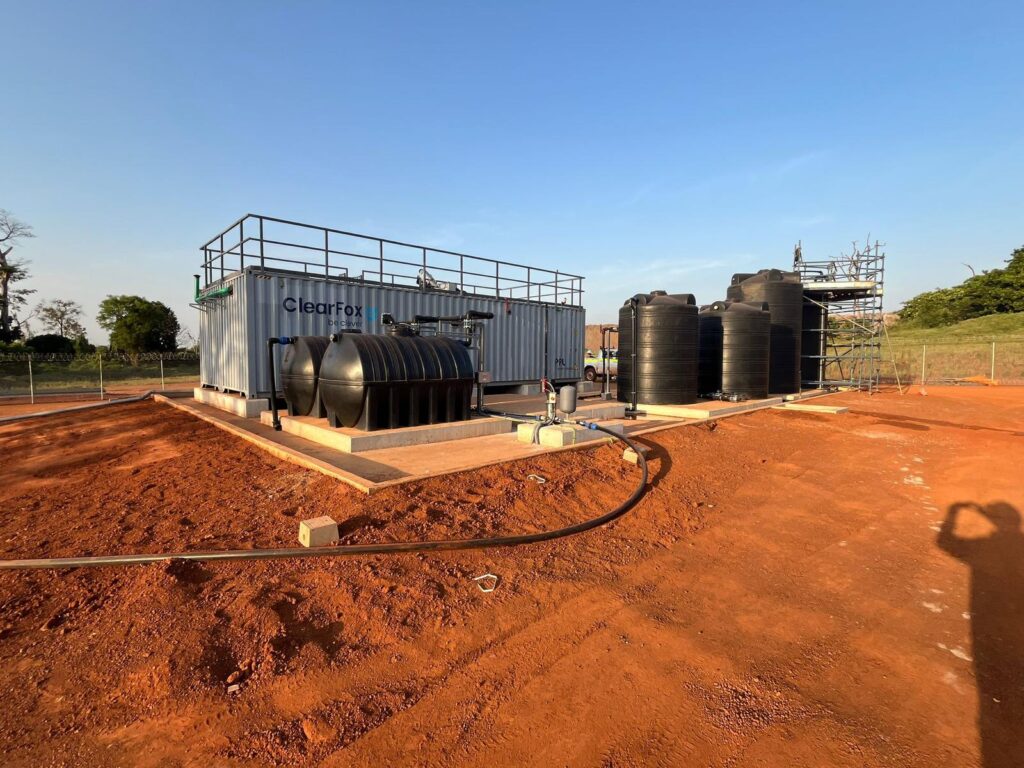
All components are fully installed in ISO sea containers. The ClearFox® mobile wastewater treatment systems meet all safety requirements for international freight transport. They are marked according to ISO 6346 and verifiably suitable for transport on container ships.
This is evidenced by the certificate of the International Convention for Safe Containers (CSC). This results in considerable advantages for transportation. The sea containers are 100% insurable. The largely standardized and prepared procedure enables inexpensive transport. Customs clearance is also faster, which in many cases is time-limited.
All mobile wastewater treatment plants are assembled in the PPU factory for customers. PPU is the original equipment manufacturer (OEM) for these container systems. They are assembled on the basis of the standard containers using pre-made parts lists for the respective application.
- Saves money on transport
- Fast customs clearance
- Uncomplicated sea transport
- 100% insurable sea containers
How quickly can a mobile system be installed?
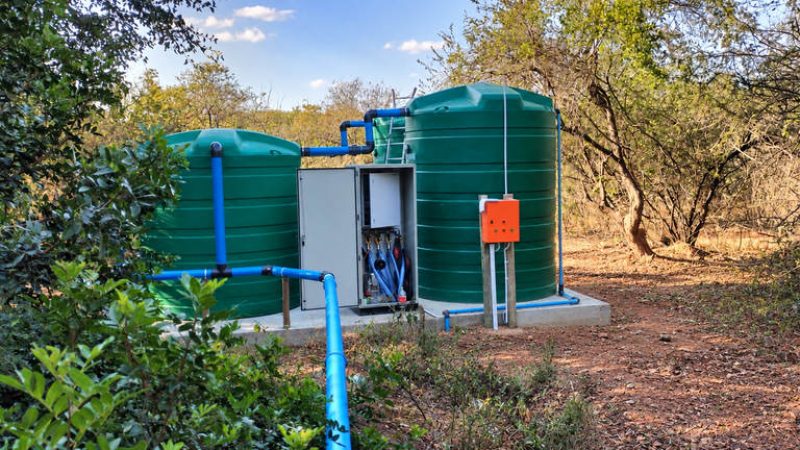
ClearFox® mobile wastewater treatment plants can be installed rapidly — a decisive advantage in settings like refugee camps, where speed matters. The system is modular, so different treatment modules can be combined to match specific requirements and adapted easily as conditions change, whether that’s a shift in wastewater composition or stricter cleaning targets. If a camp grows, the facilities simply scale up alongside it.
Can a mobile system be operated without specialist staff?
In many of these settings, qualified personnel to run complex systems are in short supply. ClearFox® plants are built for exactly this: they operate fully automatically and require only brief training before staff can manage them confidently. At their core is immersed fixed bed (FBR) technology, which has proven more robust than alternatives such as membrane bioreactors (MBR) and moving bed bioreactors (MBBR), while carrying lower operating (OPEX) costs. More than 200 successfully completed projects back this up in practice.
Independently tested and internationally approved
The ClearFox® system has undergone independent testing by PIA GmbH, a notified test facility in Aachen — unique worldwide for container systems. Its treatment performance was measured across a range of scenarios, including overload and underload, making it possible to estimate cleaning performance in advance for different applications.
This independent testing has led to recognition by leading international specialist institutes, including the Ministère de la Transition écologique et solidaire (France), British Standards (UK), the EPA (USA), Australia’s Department of Sustainability, Environment, Water, Population and Communities, and CE marking (Europe). It’s also why specialist organizations such as the DWA recommend this technology as the most economical solution for decentralized operation under sensitive environmental conditions and without qualified operating personnel on hand.
The technology behind it
Modules can be combined to handle any wastewater flow and meet any treatment standard:
- Mechanical screening
- Buffering and flow equalization
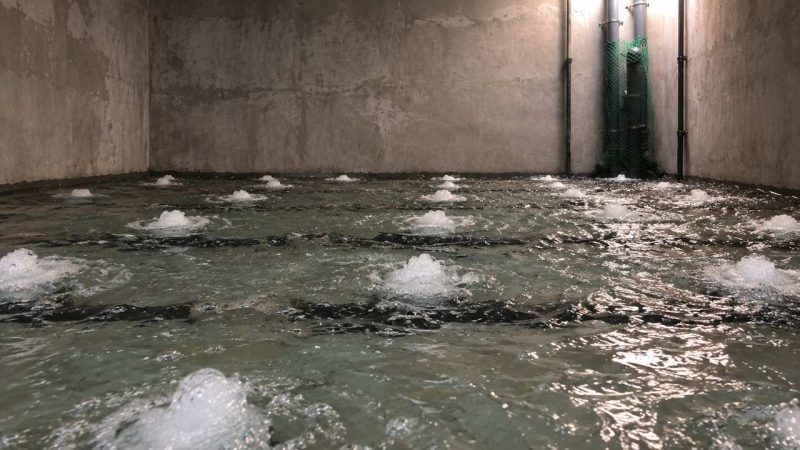
- Biological treatment with FBBR
- Clarifiers
- Filtration
- Disinfection
- Phosphorus (P) elimination
- Denitrification
Examples of Mobile Wastewater Treatment
Refugee Camps
Refugee camps present major challenges for wastewater treatment. Influxes of people from crisis areas happen suddenly and unpredictably, and camps spring up almost overnight from improvised shelters, rarely from proper buildings. There is usually no regulated way to discharge or treat wastewater, and the lack of infrastructure makes the situation worse, since settlements typically form on undeveloped land.
Under such extreme conditions, dealing with human waste is often only a secondary concern. Simple latrines and toilet facilities without proper drainage or treatment allow diseases to spread and contaminate drinking water and surface water. Mobile, quickly deployable treatment plants help protect people and prevent illness. What these situations call for are standardized, prefabricated plants that only need to be connected on site in plug-and-play fashion, since extensive measurements and structural preparation simply aren’t possible.
ClearFox® mobile systems have been developed and tested to break down up to 100 kg of COD per day, per container. Because the units are prefabricated and ready to ship, a treatment plant can be made available within two weeks, with a level of quality and control that construction-site assembly cannot match. All that’s needed for installation is a flat surface.
Thanks to the modular design, tertiary treatment steps such as disinfection of the pre-cleaned wastewater can be added to standard domestic treatment. Every process runs fully automatically, and the immersed fixed bed technology stands up well to fluctuations in flow and load. Operation is straightforward and, after some basic instruction, can be handled by local staff.
In disaster situations, existing infrastructure is often damaged or destroyed, so a sanitary infrastructure, including adequate treatment of fecal wastewater, has to be established immediately to protect people’s health and stop diseases from spreading. This calls for mobile treatment plants that are available quickly, can be assembled modularly, and are easy to operate. ClearFox® container plants meet all these criteria and have been used successfully in crisis areas for years.
Military Camps
ClearFox® container systems are designed entirely as a modular solution, and customers can examine each component and its function in detail before delivery. All materials used are disclosed openly, and it’s demonstrable that no hazardous chemicals are involved in treating the wastewater, with every piece of equipment documented in data sheets. One standout feature is electromagnetic compatibility (EMC): all equipment used in treatment plants for military purposes must comply with the European EMC Directive, which the ClearFox® systems do. On this basis, PPU is listed by UNESCO as a reliable supplier.
Military facilities abroad are often set up first as small camps and then expanded once the situation has been assessed. Efficient wastewater treatment that meets German standards is required from the very start, which calls for a modular solution like PPU’s, one that can be expanded easily from a mobile base plant. The same applies to adding modules for further treatment, such as disinfection or removal of specific pollutants. Power supply via solar panels lets the systems run almost CO2-neutrally, conserving resources and minimizing the ecological footprint.
Treatment plants for military facilities and government buildings carry special requirements. For safety reasons, every part of the system must be known and its function understood, and the resources needed to operate it must be disclosed and certified as safe. Naturally, the general requirements for build quality, treatment performance, effluent quality, and operational safety apply here just as they do everywhere else.
Worker Camps at Mining Sites
Oil fields and mining operations generate large quantities of heavily contaminated wastewater, often stored in large holding and settling tanks, where domestic wastewater from the workers’ settlements is frequently drained as well. As environmental awareness grows and authorities impose stricter requirements, proper treatment is increasingly expected. Modular solutions like ClearFox® mobile systems are especially well suited to this, particularly for the gradual transition to modern environmental standards, and they deliver high build quality along with excellent treatment performance and effluent values.
Mines are often located at high altitudes, which creates a specific challenge. Fully biological treatment depends on supplying enough oxygen for the bacteria to grow and do their work, but air pressure drops as altitude increases, and with it the oxygen saturation in water. To compensate, ClearFox® systems used in these applications are fitted with suitably powerful compressors to ensure an adequate oxygen supply at higher elevations.
Oil and Gas Drilling Sites
Staffing at oil and gas worker camps rises and falls as production ramps up and down, so the volume and load of wastewater generated can fluctuate too. To meet the strict environmental compliance targets set by many oil companies, sewage and wastewater from workers now has to be treated.
Mobile systems for oil and gas camps are an ideal fit for temporary or mobile sewage treatment, and they suit applications such as work camps and drilling rigs particularly well. A mobile sewage system is the best option in remote locations with no existing sewerage. ClearFox® container systems can easily be moved to new drilling sites or repositioned on an existing one as needs change. They arrive ready for immediate use, operate fully automatically, and come with all components preinstalled inside ISO sea containers. They can be configured to meet any effluent target and can even treat wastewater to a standard suitable for reuse in toilet flushing or irrigation.
Construction Sites
Construction sites use a large amount of water for cooling and cleaning, and orderly sewage discharge or treatment is usually unavailable. Mobile treatment plants are therefore needed, and they have to be available at short notice, cope with changing volumes of wastewater, and run cost-effectively to keep site expenses down.
ClearFox® container systems are not only modular but also mobile, so they can be reused at another site, making for a sustainable and economical solution. They can also run on their own solar power supply, which minimizes the plant’s ecological footprint and makes it nearly CO2-neutral. If the focus extends beyond black water (wastewater from the kitchen, bathroom, and laundry plus feces from toilets) to grey water treatment (the same sources without feces), ClearFox® systems handle it with no extra effort. The plants don’t just clean wastewater, they can also be fitted with downstream disinfection stages so that domestic water becomes self-sufficient.
The ClearFox® system treats construction-site wastewater to a standard clean enough to be discharged into a nearby body of water or allowed to seep into the ground. These systems can be either leased or used as a permanent solution. Since construction-site wastewater generally carries a high concentration of solids and often toxic substances such as heavy metals, our modules can be combined into a tailor-made plant that meets the specific constituents and treatment requirements while doing justice to environmental protection.