Small municipalities require high-performance wastewater treatment despite often having limited financial and operational resources. At the same time, they face the same demanding standards for process reliability and effluent quality as larger communities. The Lithuanian municipality of Luknes therefore needed an economical solution for a village of approximately 500 residents, with a local project partner supporting implementation on site.
The project formed part of a public tender. Technical performance, capital expenditure, operating costs and a clearly defined delivery schedule all played a decisive role. The municipality required a compact plant with a small footprint and dependable long-term operation. The project also aimed to retain a substantial share of its economic value within the region.
The local partner therefore selected cylindrical fibreglass tanks manufactured in Lithuania. PPU Umwelttechnik precisely matched all process components to these tanks. This approach combined German wastewater treatment technology with locally sourced infrastructure, reducing both transport requirements and overall project costs.
The municipality specified demanding effluent standards. In addition to removing organic pollutants, the treatment process needed to provide reliable nitrogen treatment and additional phosphorus removal. Fluctuating influent volumes formed another part of everyday operation and required stable performance across a wide range of hydraulic loads.
Small municipal wastewater treatment plants face a distinct combination of financial and technical challenges. Available budgets impose strict limits, while statutory discharge requirements demand high-performance treatment technology. Conventional solutions often involve extensive civil engineering, require a large installation area or increase the long-term operational workload. The Luknes project also had to meet a tight delivery schedule.
The public tender required a convincing balance between price, performance and long-term reliability. A low purchase price alone did not satisfy these requirements. The solution also needed to keep operating costs low and minimise the workload for plant personnel. Every unnecessary site visit ultimately increases municipal expenditure.
Fluctuating wastewater volumes placed further demands on process control. Hydraulic loads rise during peak periods, while lower inflows leave the plant operating below its full design capacity at other times. A rigid treatment system responds inefficiently to these variations, wastes energy or puts the required treatment performance at risk.
The project also specified a very high Class N effluent standard. The biological stage had to remove organic carbon compounds and ensure reliable nitrification, while an additional treatment stage reduced phosphorus concentrations. PPU Umwelttechnik needed to combine all treatment processes within a restricted footprint.
The locally sourced cylindrical fibreglass tanks determined the shape and dimensions of the reactors. The project therefore required a flexible treatment system that was not tied to a particular tank design. The process equipment, control system and tanks had to function as one integrated unit, with precise engineering ensuring stable operation.
PPU Umwelttechnik developed a ClearFox® Class N SBR system with additional phosphorus removal for Luknes. The plant treats wastewater in precisely controlled batches. Each cycle comprises filling, biological treatment, activated sludge settlement and clarified water discharge. These clearly separated phases provide accurate process control and consistently high effluent quality.
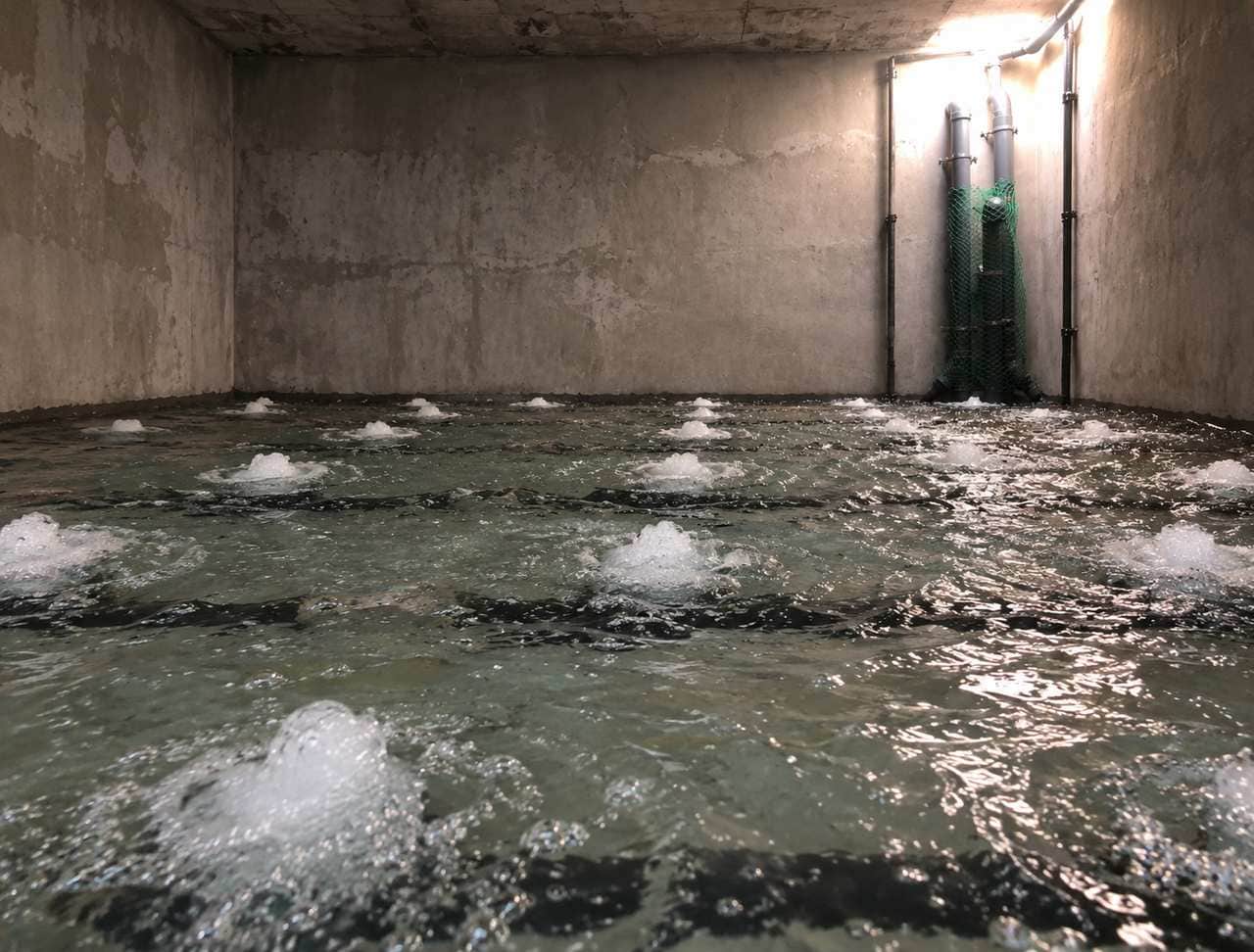
During biological treatment, the system aerates the wastewater at defined intervals. Microorganisms break down organic compounds and carry out the processes required for nitrogen removal. The carefully controlled aeration sequence supports both nitrification and denitrification. An additional treatment stage removes phosphorus from the wastewater.
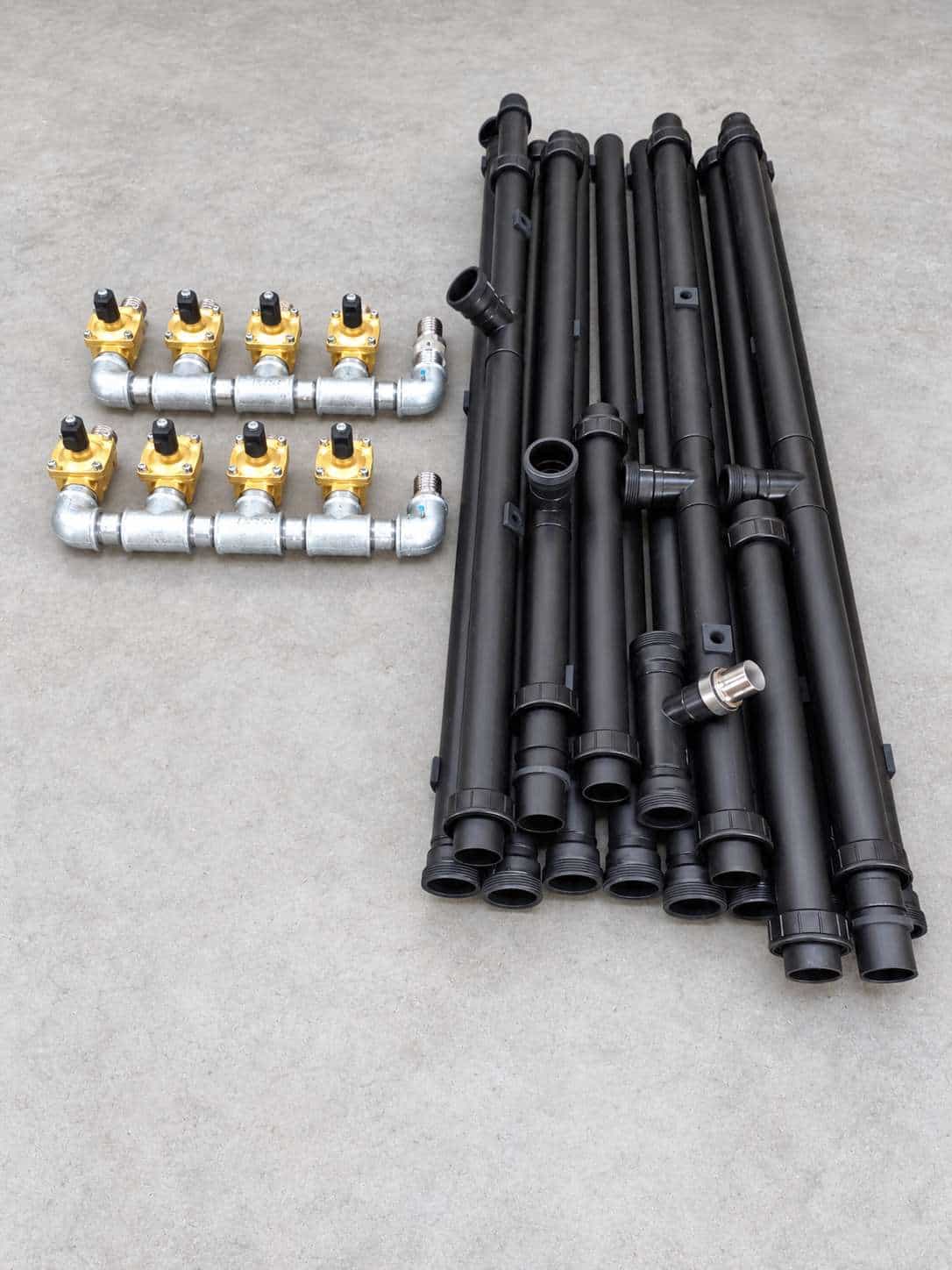
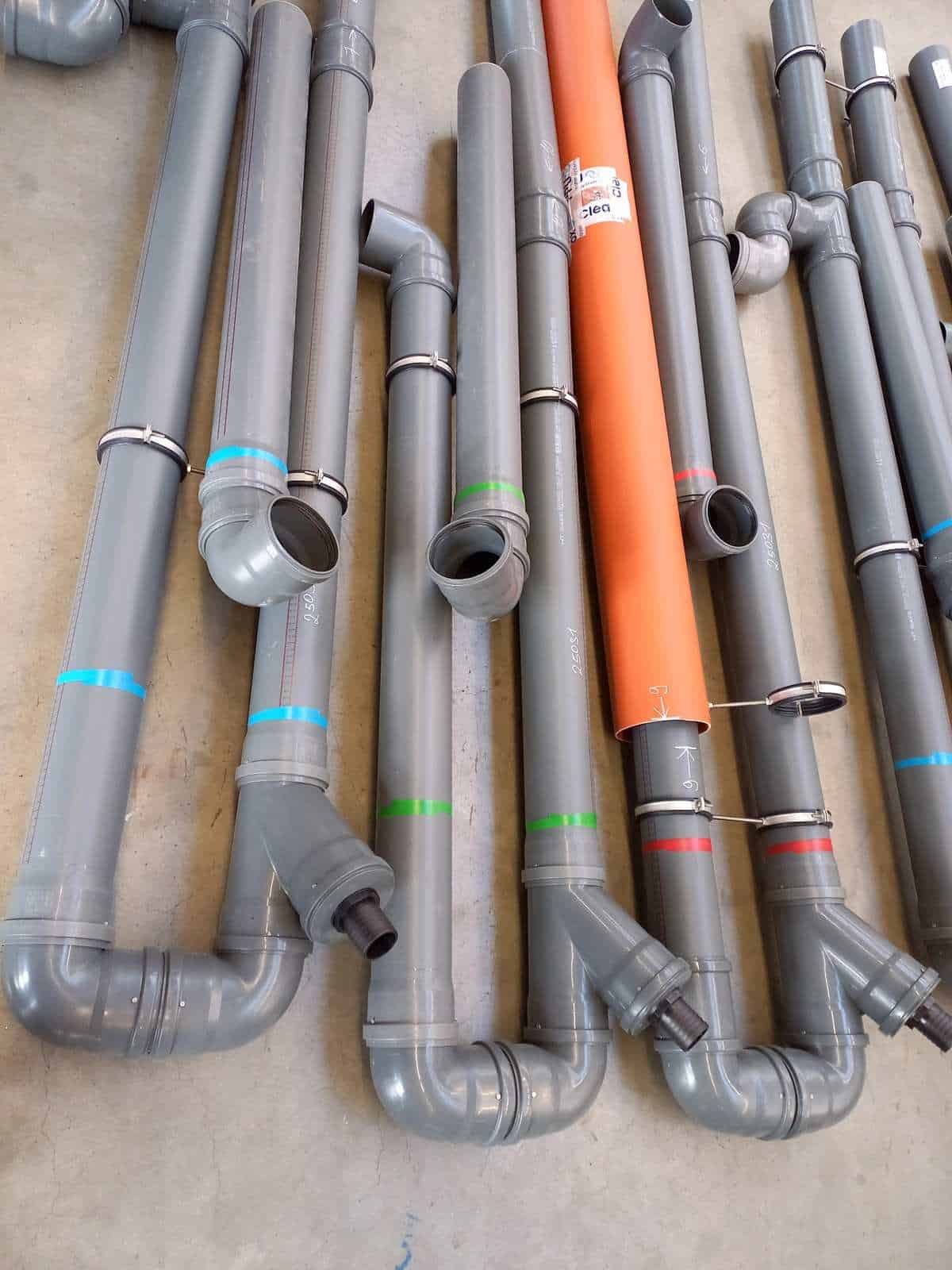
PPU integrated the SBR equipment directly into the locally sourced fibreglass tanks. This approach utilised regional manufacturing capacity while lowering the overall project cost. Flexible ClearFox® system technology accommodates tanks made from different materials and in a wide range of geometries. For Luknes, the engineering team tailored every internal component to the cylindrical tank design.
Several SBR reactors operate in parallel, significantly increasing operational flexibility. During periods of high inflow, the reactors work together to provide the required treatment capacity. When influent volumes fall, the control system adjusts plant operation to the actual load. This approach maintains stable treatment performance while avoiding unnecessary energy consumption.
The intelligent control system automatically coordinates every process stage. Remote monitoring and remote access also provide continuous oversight of key operating data. Operators identify deviations at an early stage and respond directly without travelling to the treatment plant for every adjustment. This reduces both personnel requirements and long-term operating costs.
Robust airlift pumps support low-maintenance operation. No electrical or rotating pump components come into contact with the wastewater, significantly reducing wear, fault risks and maintenance requirements. The straightforward plant design further strengthens operational reliability.
The solution provided Luknes municipality with a compact and cost-effective wastewater treatment plant for approximately 500 residents. The ClearFox® SBR system meets the technical requirements of the tender and combines high effluent quality with low capital and operating costs. Integration into locally manufactured fibreglass tanks retains economic value within the region. Parallel reactors, automatic load adjustment and remote monitoring ensure efficient operation under changing conditions.
The system is particularly well suited to small municipalities, residential developments, hotels, schools and similar municipal facilities. PPU Umwelttechnik tailors the plant capacity and process control to the actual wastewater volume and required effluent standards.
Yes. PPU Umwelttechnik designs every SBR system around the specific requirements of the project. Wastewater volume, pollutant load, population equivalent, available space, local discharge limits and existing infrastructure determine the technical design. A wastewater analysis and the relevant project documentation provide the basis for engineering.
An additional treatment stage provides targeted phosphorus removal. PPU Umwelttechnik designs this stage according to the influent concentration and required effluent value. Phosphorus removal does not automatically form part of Class N performance and therefore requires a separate project-specific assessment.
The control system adjusts treatment cycles to the actual hydraulic and organic load. Parallel SBR reactors provide additional operational flexibility. As a result, the plant operates reliably and efficiently during both low-flow periods and times of higher demand.
PPU Umwelttechnik integrates its SBR technology into suitable concrete, plastic or fibreglass tanks in a wide range of geometries. Locally manufactured tanks reduce transport costs, strengthen regional value creation and simplify cooperation with local project partners. The engineering team precisely matches every internal component to the tank design.
The automatic control system coordinates filling, aeration, sedimentation, clarified water discharge and sludge return. Robust airlift pumps reduce mechanical wear because no electrical or rotating pump components come into contact with the wastewater. Regular inspections and scheduled maintenance ensure consistently reliable treatment performance.