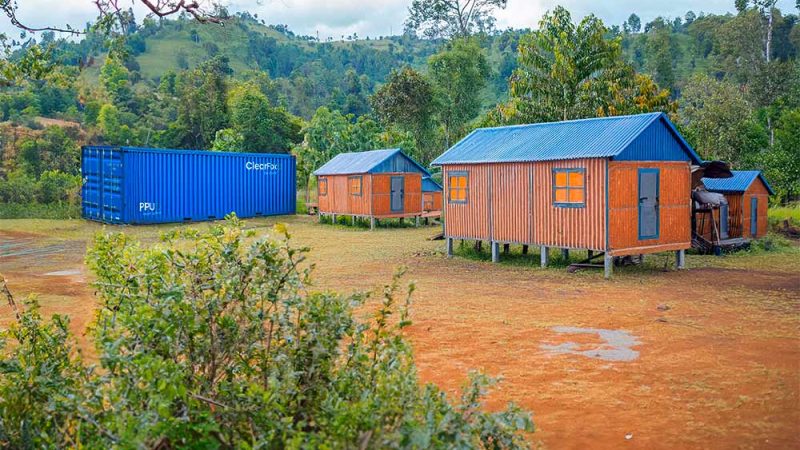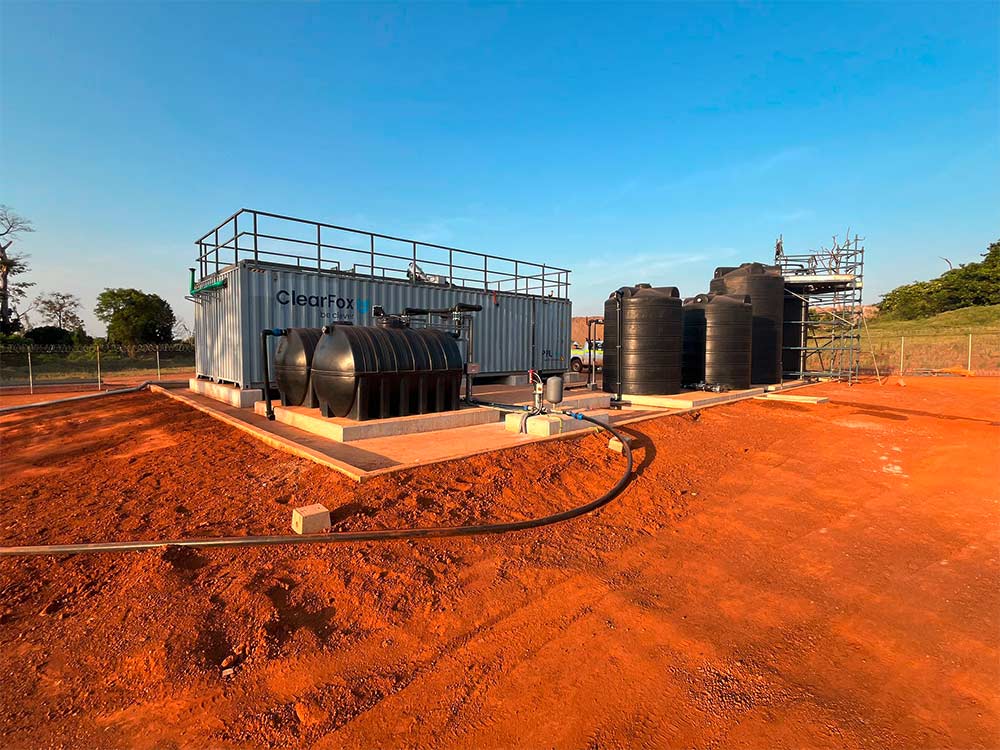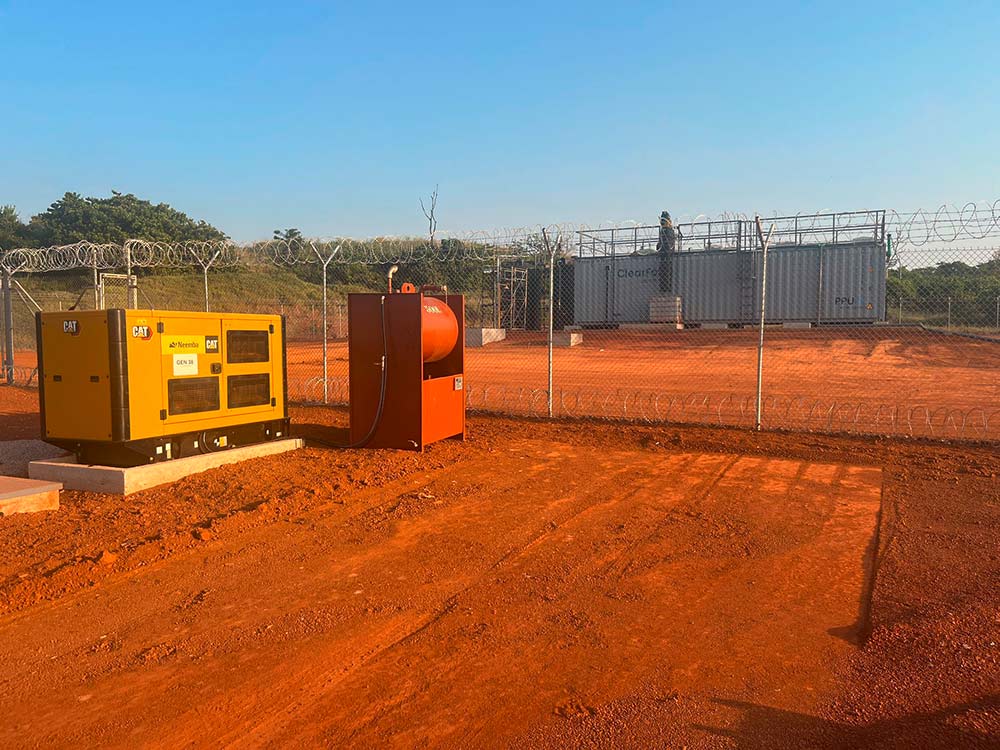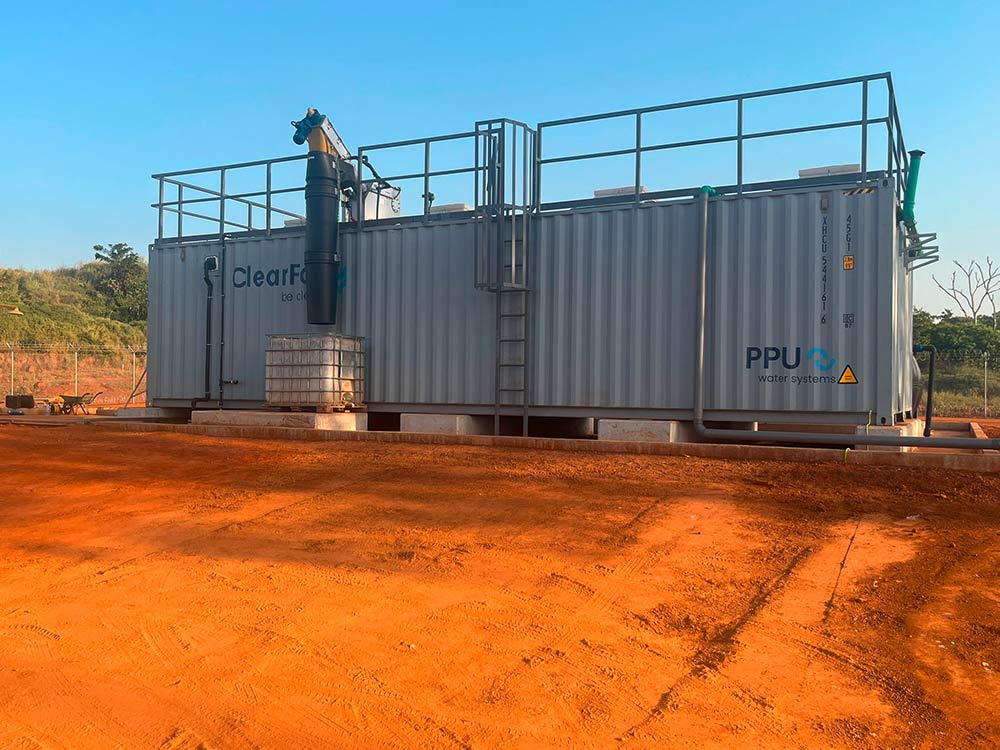

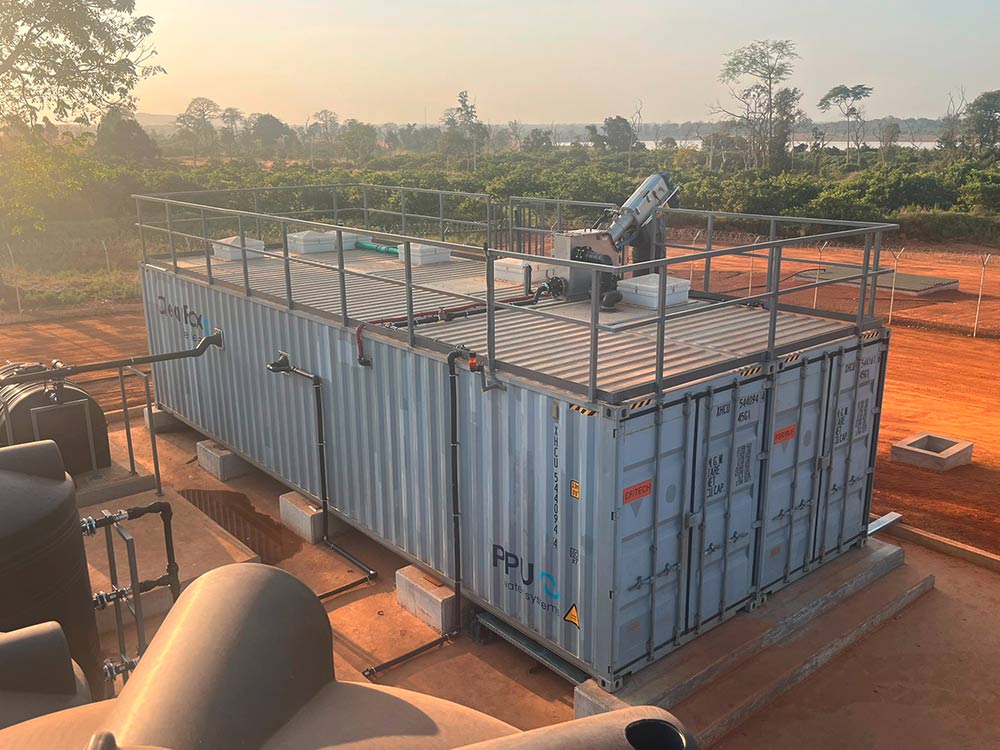
Remote mining sites place high demands on infrastructure, environmental technology and wastewater management. At a large copper mining camp in Côte d’Ivoire, significant volumes of wastewater are generated every day. Around 250 m³ per day arise from showers, sanitary facilities, catering, kitchens and laundry operations across the camp.
This wastewater contains high organic loads, suspended solids, as well as fats and oils. At the same time, strict environmental regulations apply. The operator needed to ensure that treated water could be safely discharged into the environment and reused for irrigation and dust suppression.
In addition to water quality requirements, logistical and operational factors played a major role. The site is remote, available space is limited, and wastewater volumes fluctuate depending on camp occupancy. The project therefore required a compact, robust and low-maintenance solution that could be installed quickly and deliver reliable long-term performance.
The combination of high organic loading, limited space and variable inflows presented a significant engineering challenge. Conventional, permanently installed treatment plants would have required extensive civil works, long construction timelines and substantial investment. Remote locations also complicate operation, maintenance and spare-parts logistics.
Another key issue involved fluctuating hydraulic loads. Depending on workforce numbers, daily wastewater volumes vary considerably. Any suitable system had to absorb these fluctuations without compromising treatment performance.
The high organic content placed demanding requirements on the biological treatment stage. To comply with WHO and EU discharge standards, the project required a reliable and highly efficient biological process with stable operational control.
The client also required a robust and hygienically safe disinfection stage to enable water reuse. At the same time, the solution needed to remain energy-efficient, low-maintenance and future-proof.
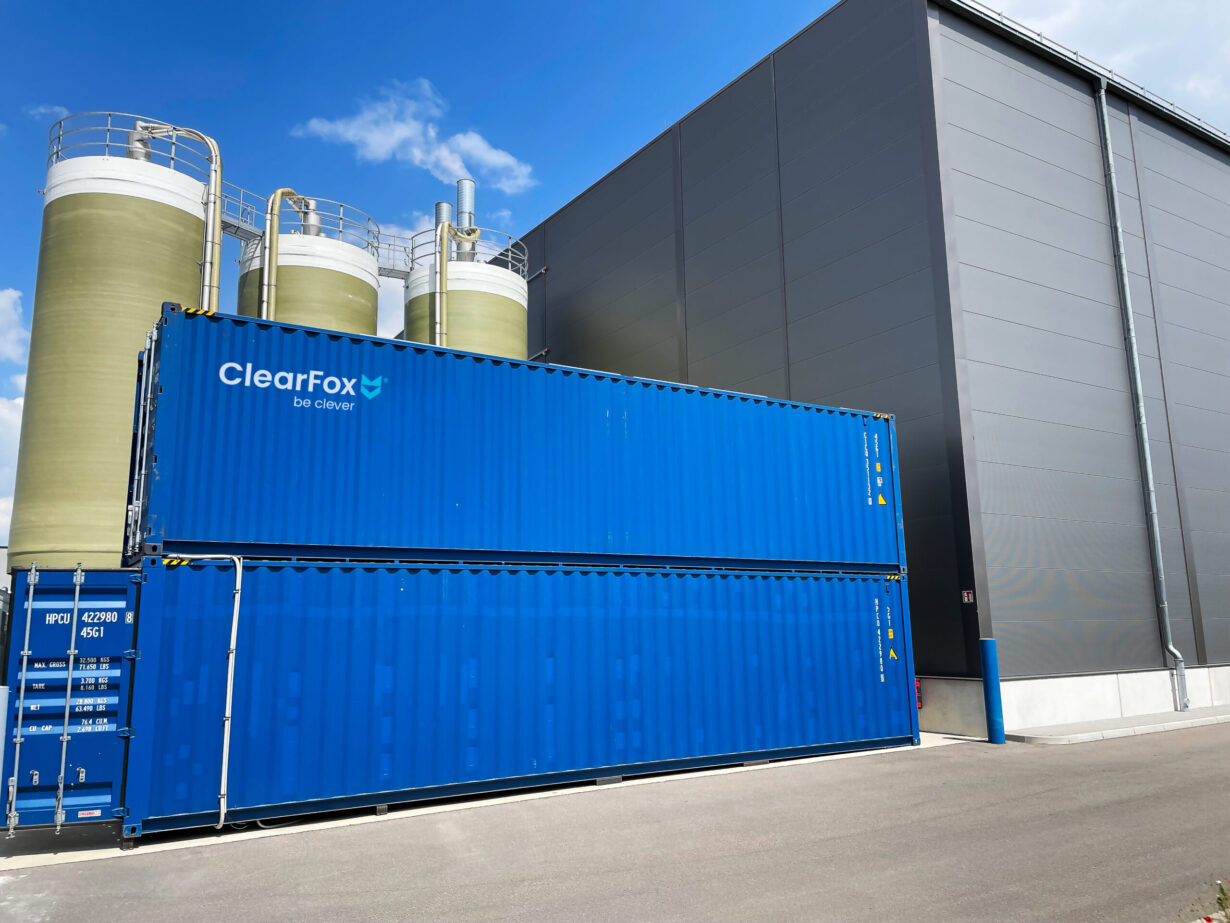
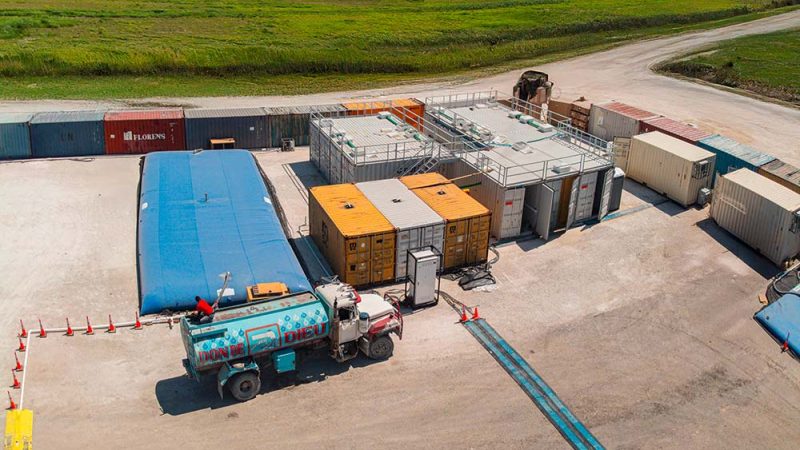
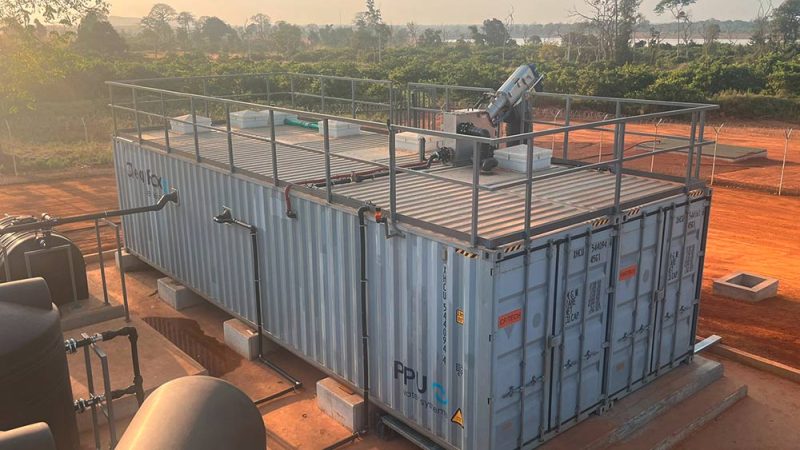
PPU Umwelttechnik GmbH designed and delivered a containerised wastewater treatment plant tailored specifically to the operational needs of the mining camp. The system integrates multiple treatment stages within a modular container concept that enables straightforward transport, rapid installation and flexible future expansion.
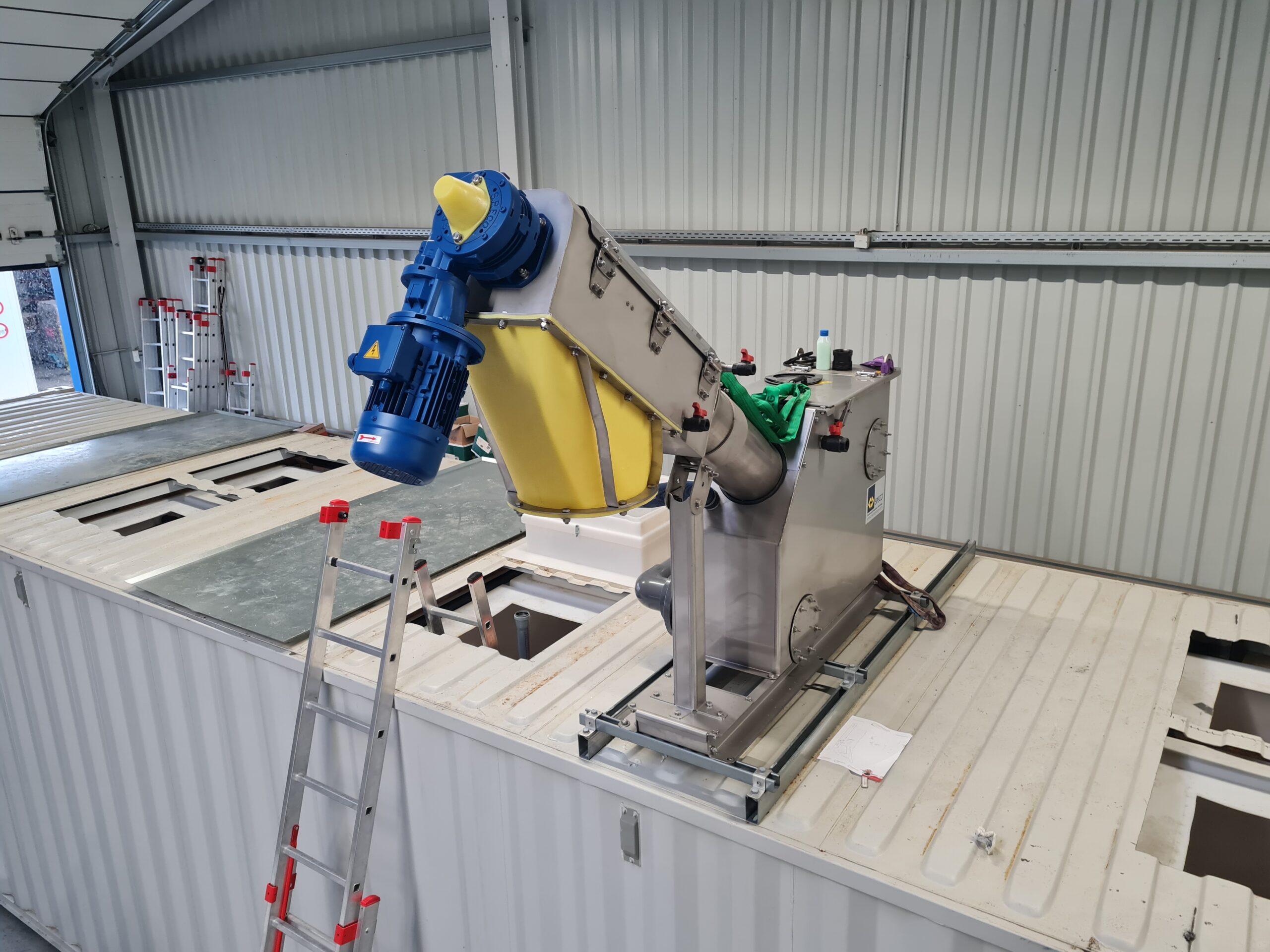
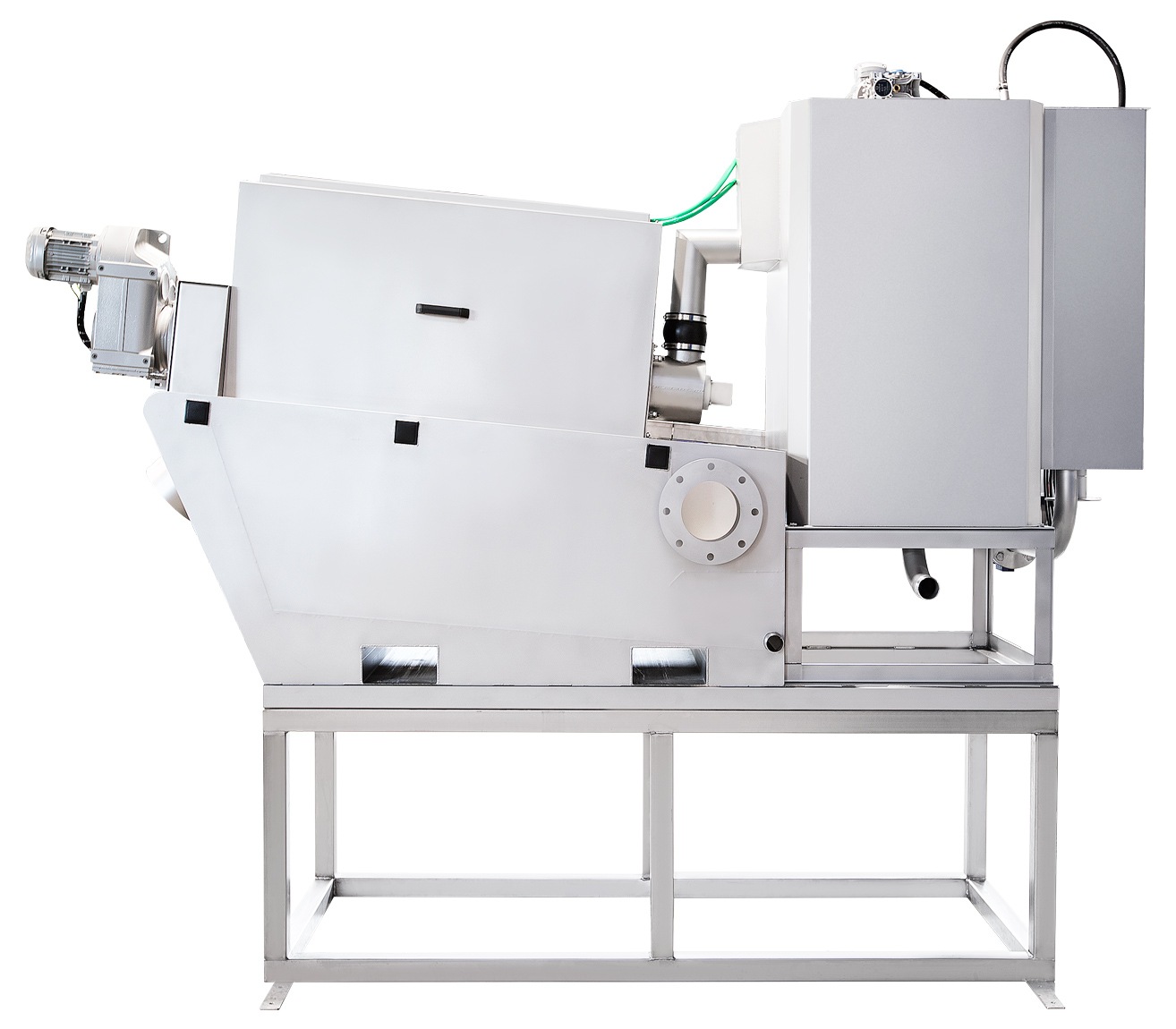
Incoming wastewater first passes through a screening unit, which removes coarse solids, debris and unwanted materials. This step protects downstream process equipment and improves overall operational reliability.
Screenings are collected directly within the container and discharged into a dedicated collection tray below the screen. This design simplifies disposal and reduces maintenance effort.
Following screening, the wastewater enters a buffer and equalisation tank, which smooths inflow fluctuations and ensures a consistent flow rate to subsequent treatment stages.
Submersible pumps regulate discharge and stabilise hydraulic loading on the biological reactor. In the event of pump failure, an emergency overflow safely diverts wastewater, maintaining system integrity even under fault conditions.
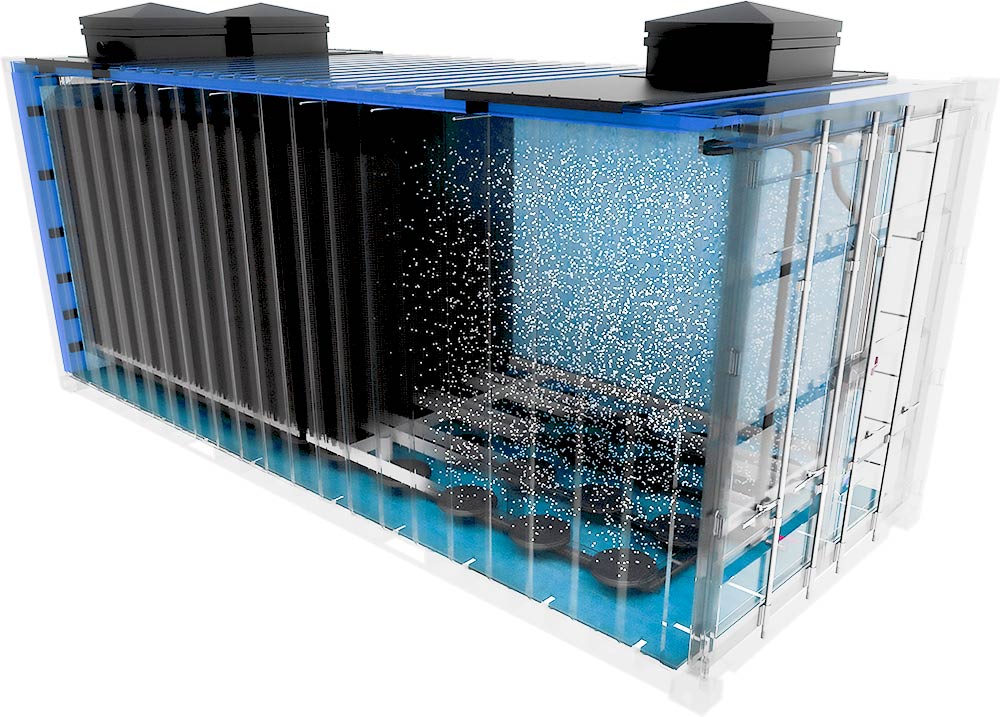
The core of the system is the Fixed Bed Biological Reactor (FBBR). Within this biological stage, microorganisms degrade organic pollutants, including COD, BOD, nitrogen and phosphorus compounds.
The biomass attaches to a fixed carrier medium, forming a stable biofilm. Controlled aeration supplies oxygen to support microbial metabolism. Adjusting aeration intensity allows precise control of biofilm thickness, ensuring consistent and efficient treatment performance.
During routine maintenance, the biofilm can be removed through periodic flushing of the fixed-bed media, supporting long-term process stability and extending system service life.
After biological treatment, the effluent flows into a lamella clarifier, where angled plates enhance the settlement of fine suspended solids.
Settled sludge accumulates at the base and is pumped to a dedicated sludge holding tank. Clarified water exits the clarifier via an overflow weir. This stage ensures reliable solid–liquid separation and contributes significantly to the plant’s high effluent quality.
A final chlorine disinfection stage provides effective pathogen reduction, ensuring the treated water meets hygienic requirements.
As a result, the effluent is suitable for safe environmental discharge and reuse for irrigation and dust control.
Today, the treatment plant delivers consistently high effluent quality and supports sustainable water management at the mining site. The system performs reliably under fluctuating loads and challenging climatic conditions.
Its containerised design allows compact installation in space-constrained environments while maintaining full mobility and modular expandability to meet future capacity demands.
An additional benefit lies in 24/7 remote monitoring and technical support provided by PPU. This reduces the operational burden on on-site staff while enabling specialists to monitor performance and optimise system operation remotely.
With this project in Côte d’Ivoire, PPU Umwelttechnik GmbH demonstrates how high-performance wastewater treatment, compact design and exceptional operational reliability can be successfully combined.
The solution offers a future-proof, efficient and environmentally responsible approach to wastewater treatment in remote and demanding locations — transforming wastewater into a valuable and sustainably managed resource.
Yes. The system is modular and adaptable, making it suitable for a wide range of applications — including mining camps, industrial sites, construction camps, remote communities, and temporary or permanent facilities. Capacity, treatment stages and layout can be tailored to your specific wastewater volumes, loads and regulatory requirements.
Containerised treatment plants can be designed for small to large flows — from tens to several hundred cubic metres per day. The Côte d’Ivoire project treats approximately 250 m³/day, but the concept can scale up or down depending on your operational needs.
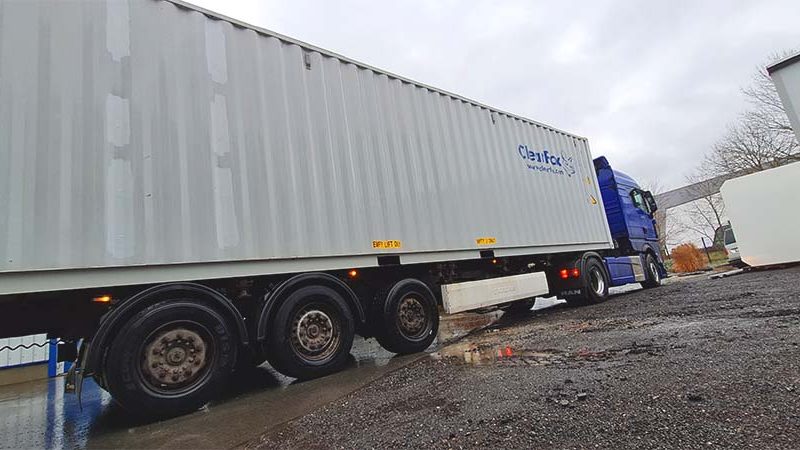
Absolutely. The containerised design makes transport straightforward by truck, ship or rail, and allows rapid installation on site. The system minimises civil works, reduces commissioning time, and performs reliably even in remote or logistically challenging environments.
The Fixed Bed Biofilm Reactor (FBBR) offers excellent resilience to shock loads and high organic concentrations. Biofilm-based systems provide stable long-term performance and recover quickly from operational disturbances.
Yes. The modular container concept allows capacity expansion by adding treatment modules or upgrading process components. This makes the investment future-proof and adaptable to site growth or production increases.