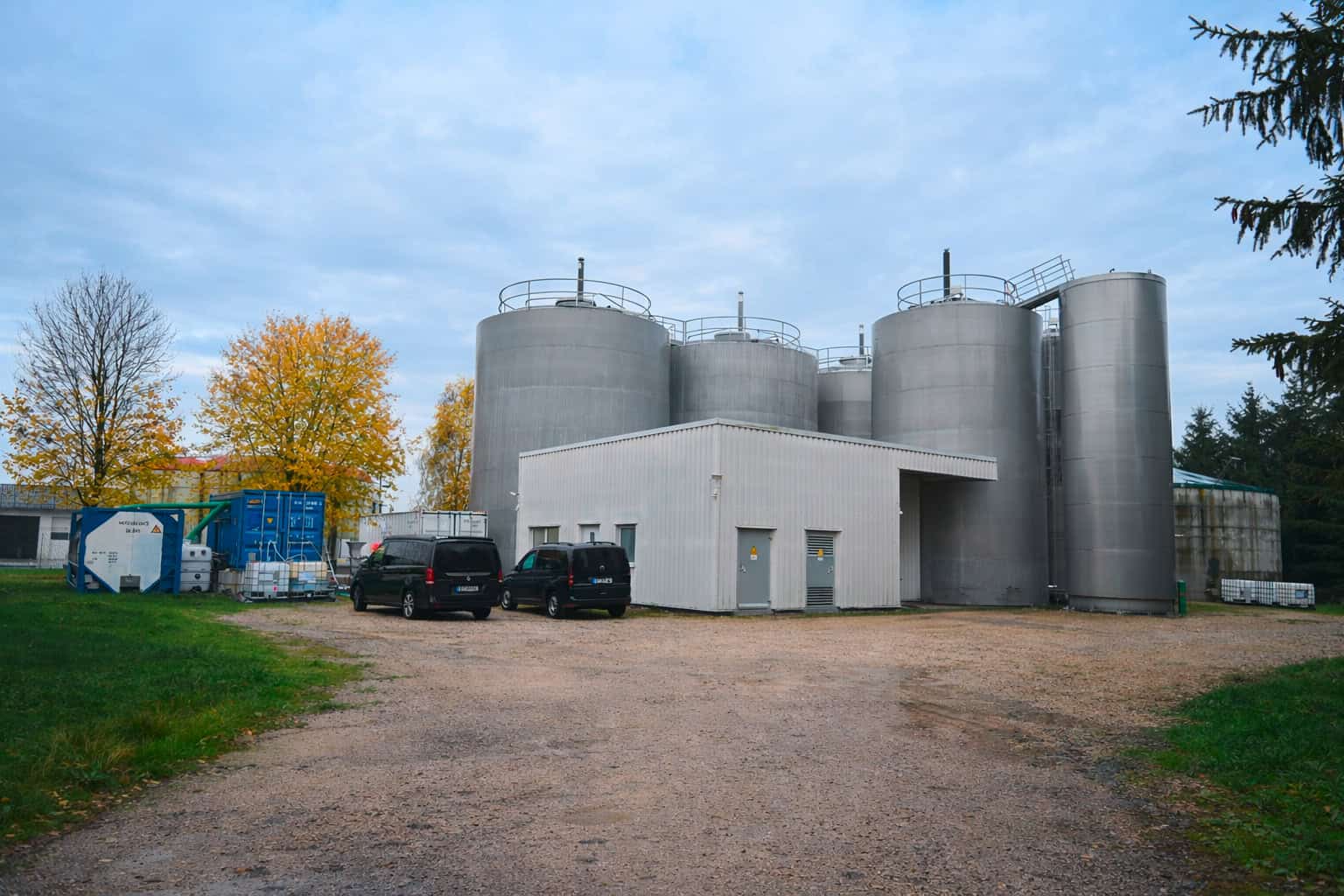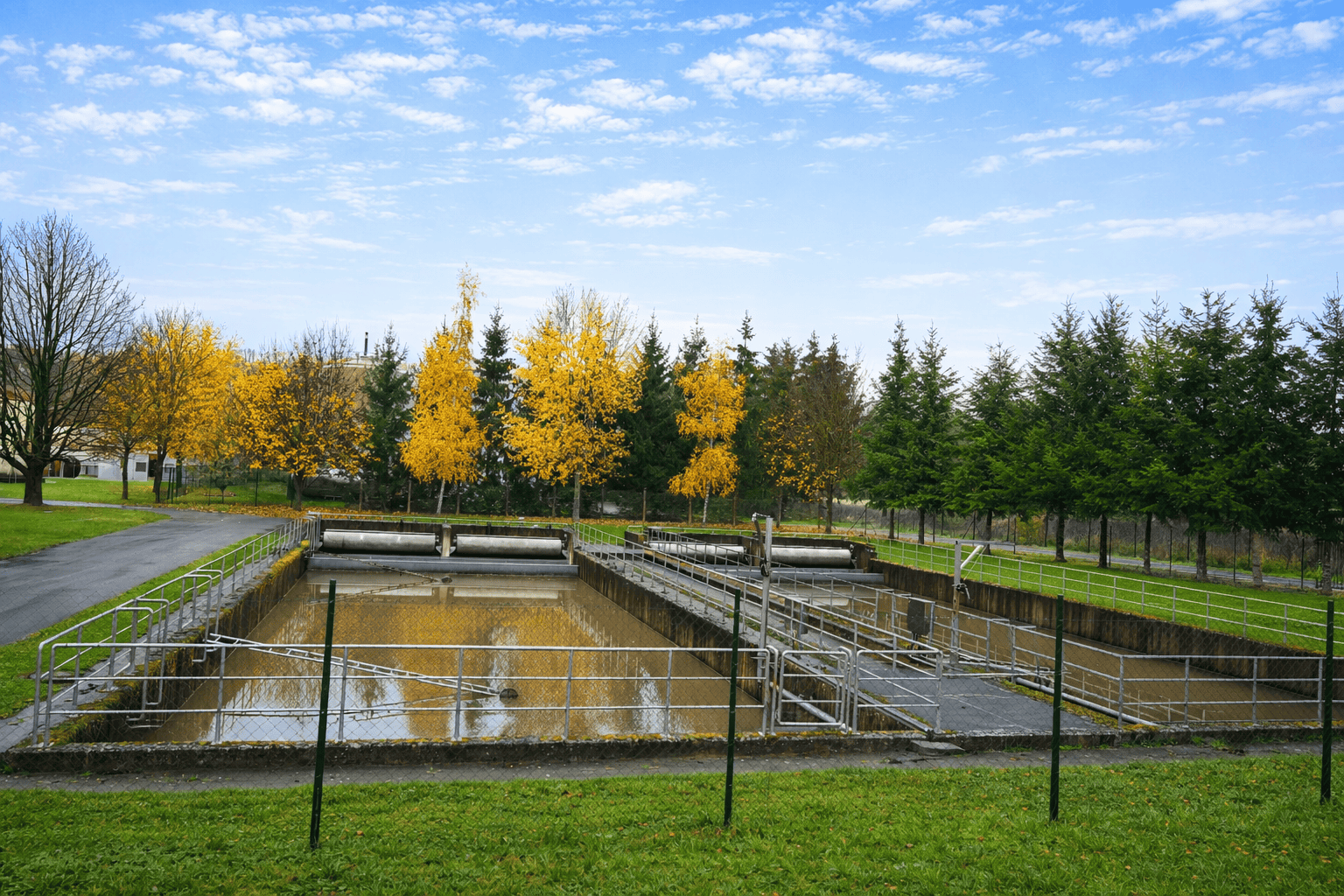
The combination of increasing production volumes, stricter discharge limits, and limited available space poses significant challenges for many dairy plants when it comes to wastewater treatment. In a recent project in Franconia, Germany, PPU Umwelttechnik GmbH successfully relieved an existing biological treatment plant by implementing a containerized dissolved air flotation (DAF) system, significantly improving overall operational reliability.
The dairy facility already operated a biological wastewater treatment plant based on an SBR process. However, growing production capacities led to substantially higher organic loads and increasing demands on the treatment system. Dairy wastewater typically contains high concentrations of fats, proteins, and residues from CIP cleaning processes involving caustic soda and nitric acid.
The system was designed for a maximum wastewater volume of up to 1,440 m³ per day. Continuous 24-hour operation combined with short-term peak loads caused by tank emptying and cleaning cycles resulted in highly fluctuating influent conditions. In addition, wastewater temperatures exceeded 40 °C during summer months.
At the same time, regulatory discharge requirements became increasingly stringent. For industrial wastewater operators, this often results in higher energy and chemical consumption as well as greater demands on process stability.
Due to the high organic loads, the existing biological SBR plant was increasingly operating at its limits. Fats and other lipophilic substances are particularly problematic for biological treatment processes, as they are difficult to biodegrade and can significantly impair biological activity. Without effective pre-treatment, these loads frequently lead to unstable operating conditions, increased aeration demand, and rising operating costs.
Space limitations at the site added another layer of complexity. There was very little room available on the factory premises for additional treatment equipment. At the same time, the solution needed to remain flexible enough to accommodate future capacity expansions.
Another key challenge was the reduction of peak loads. Cleaning cycles and product losses can generate sudden spikes in COD concentrations, placing considerable stress on downstream biological treatment stages if no adequate buffering and pre-treatment are in place.
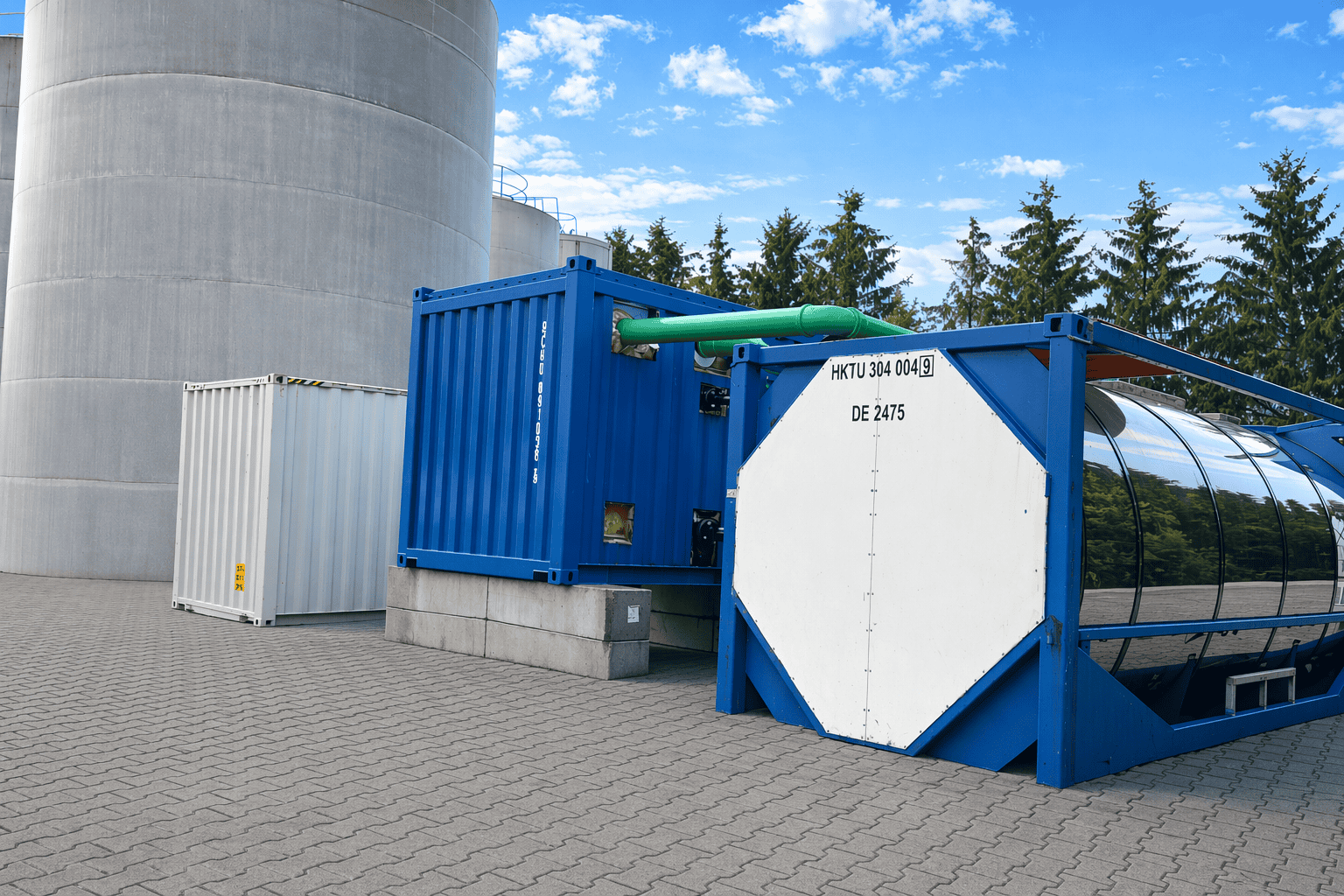
To address these challenges, PPU Umwelttechnik GmbH implemented a containerized ClearFox® dissolved air flotation (DAF) system as a physical-chemical pre-treatment stage upstream of the existing biological treatment plant.
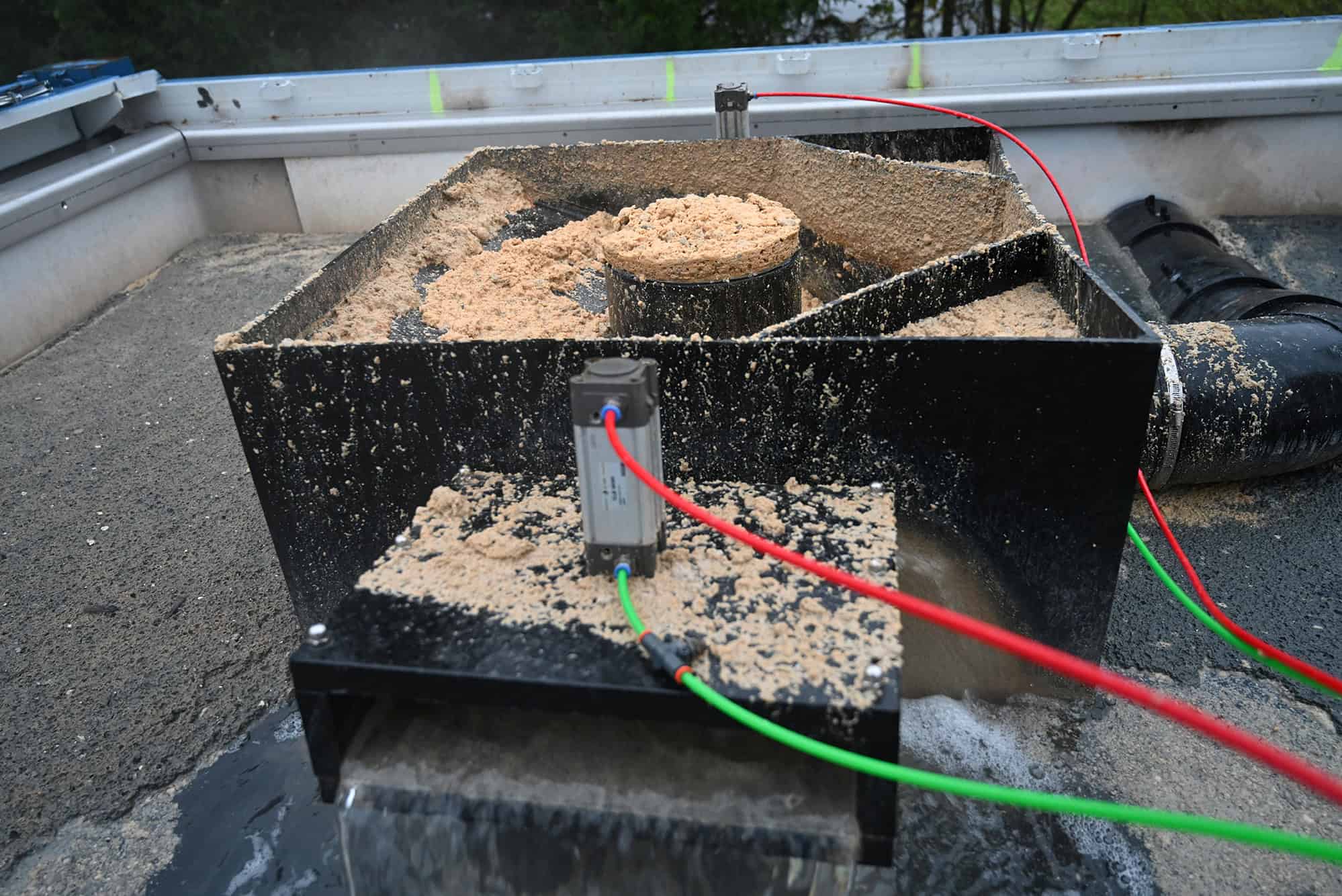
The system reliably removes suspended solids, fats, oils, and a large portion of the organic load from the wastewater. First, the pH value is adjusted before coagulants and flocculants are added to bind dissolved substances into larger flocs. The wastewater is then saturated with air, creating microscopic air bubbles that attach to the flocs and lift them to the surface. The resulting flotate is removed, while the clarified water is transferred to the downstream biological treatment stage.
The containerized design offered several decisive advantages. The pre-assembled system could be installed quickly and integrated seamlessly into the existing infrastructure. In addition, the modular concept allows for straightforward future expansion if production volumes or treatment requirements increase.
Another key advantage of the ClearFox® DAF system is its robust construction. The reactors are manufactured from corrosion-resistant materials such as polypropylene or polyethylene and operate without mechanical chain scrapers. This significantly reduces maintenance requirements while ensuring long-term operational reliability. The system operates fully automatically and can optionally be monitored and controlled remotely.
By removing a substantial portion of the organic load prior to biological treatment, the DAF system significantly reduces the load on the SBR plant. As a result, energy demand, aeration requirements, and chemical consumption are all reduced, while the operational stability of the entire treatment process is considerably improved.
This project demonstrates how modern containerized pre-treatment solutions can efficiently enhance existing wastewater treatment infrastructure. Especially in the food and dairy industry, compact and modular systems are becoming increasingly important for meeting rising environmental standards in an economical and sustainable way.
The solution is particularly suitable for the food industry, including dairies, cheese production, meat processing, delicatessen, and convenience food manufacturing. A DAF system is especially effective wherever high levels of fats, COD, or suspended solids occur.
In many cases, yes. The ClearFox® DAF is modular in design and can be individually adapted to the specific wastewater composition, flow rate, and existing infrastructure. It is especially suitable as a pre-treatment stage for relieving existing biological treatment plants.
The dissolved air flotation system reliably removes fats, oils, suspended solids, and a large portion of the organic load (COD). In combination with coagulation and flocculation, phosphorus and other dissolved substances can also be significantly reduced.
Yes. The containerized design allows for easy integration into existing wastewater treatment concepts. The compact footprint is particularly advantageous where space is limited.
The modular design allows for future expansion. Additional containers or treatment modules can be integrated if wastewater volumes or pollutant loads increase over time.