
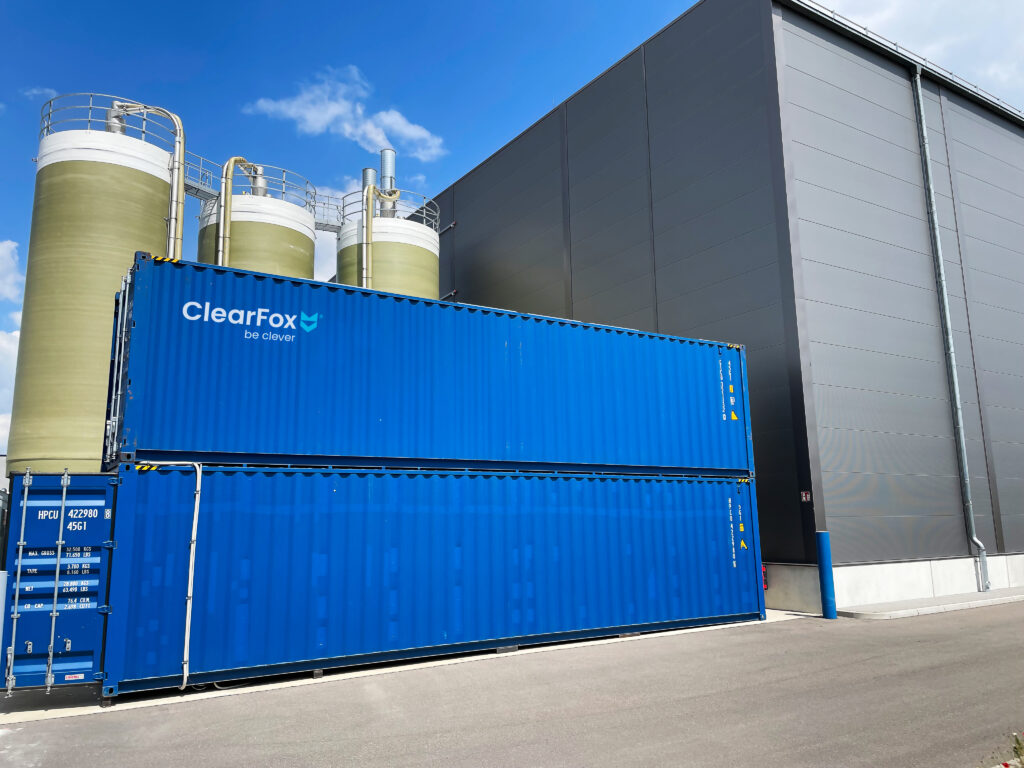
School Wastewater Treatment
Sector Overview
School Wastewater Treatment
Contents
Understanding School Wastewater: Characteristics and Sources
Wastewater Sources in Educational Facilities
School wastewater originates from multiple sources throughout educational buildings, each contributing distinct characteristics and pollutant loads. The primary sources include wastewater from student and staff toilets, bathroom sinks and handwashing stations, cafeteria and kitchen operations, maintenance and cleaning activities, and specialized educational facilities such as laboratories or workshops. Schools generate significantly more complex wastewater compared to typical domestic sources due to concentrated usage patterns and diverse operational activities.
Unlike domestic wastewater applications, typical school wastewater is characterized by a large number of toilet flushes and greater organic loadings. School waste streams present challenging conditions for biological treatment processes due to school sanitary routines and irregular schedules that increase the potential for toxic shock and peak hydraulic loading. Ammonia nitrogen concentrations in school influent are typically 4-5 times that of typical domestic wastewater.
Technical Characteristics by Institution Type
The composition and loading of school wastewater varies considerably depending on the type and scale of educational facility. Schools, nurseries, colleges, camps, and summer schools of any size may require on-site wastewater treatment if there is no access to public sewer. For new extensions or school buildings, existing septic tank systems often require upgrading to accommodate additional students and staff, as the hydraulic and organic loading will increase significantly.
Population Equivalent and Design Loading
For design purposes, schools utilize population equivalent (PE) calculations that differ from residential applications due to concentrated usage patterns. School wastewater treatment systems must consider several key factors, including safety, plant warranty/guarantee, power consumption, site restrictions, and operational and maintenance costs. A typical ClearFox commercial plant automatically adjusts to incoming load to ensure optimal performance, entering power-saving mode when no flow is detected and restarting as soon as flow is detected.
Flow Variations and Peak Loading
School wastewater treatment systems must accommodate highly variable wastewater flows and loadings during different periods of the academic year. Educational institutions experience significant variations in wastewater loading due to seasonal fluctuations, with dramatic changes from term periods to holiday breaks. Peak loading occurs during school hours with concentrated usage, while minimal flows occur during evenings, weekends, and holiday periods.
Treatment Technologies and Approaches
Direct Connection and Public Sewer Discharge
The simplest approach for school wastewater management involves direct connection to municipal sewer systems where available. However, many schools, particularly those in rural areas, lack access to centralized infrastructure and require on-site treatment solutions. In remote areas without public sewerage systems, new school buildings require their own sewage treatment plants.
Traditional Septic Tank Systems and Limitations
Traditional septic tank systems represent basic on-site treatment but are often inadequate for school applications. School septic systems can often pollute groundwater and surface water, making upgrading to advanced treatment systems necessary5. Existing schools with older septic tank systems require upgrading when adding extensions or new buildings to cater for greater hydraulic and organic loads from additional students and children.
Advanced Biological Treatment Technologies
Fixed Film Treatment Systems
Fixed film technologies allow microbes breaking down waste to naturally fluctuate depending on pollutant load, making them ideal for school applications with variable loading patterns. Fixed film process like FBBR can be more robust and have a higher treatment efficiency with school wastewaters that can have imperfect BOD:COD and C:N:P ratios. Fixed film applications such as FBBR also have significant advantages due to their ability to operate with minimal operator input. Remote monitoring with the ClearFox FBBR systems ensures 24/7 support from a team of experts.
Sequential Batch Reactor (SBR) Technology
Sequential Batch Reactor systems offer effective solutions for school wastewater treatment, treating wastewater in batches through four distinct phases: charging, aeration, settling, and discharge1. The SBR serves as an equalization basin when filling with wastewater, enabling the system to tolerate peak flows during school hours and low flows during off-periods.
System Selection Criteria and Considerations
Safety and Compliance Considerations
School wastewater treatment systems must incorporate built-in safety features appropriate for educational environments. Treatment facilities should be positioned to minimize potential impacts on student areas while maintaining accessibility for maintenance operations. Proper odour control is essential for maintaining a conducive learning environment and preventing disruptions that could negatively impact educational activities.
Operational Simplicity and Automation
School wastewater treatment systems must operate with minimal operator intervention due to educational institutions’ focus on education rather than technical operations. Simple operation requirements favor technologies that can function automatically without requiring specialized technical expertise from school staff. Advanced control systems can monitor treatment performance and adjust operations automatically to maintain optimal efficiency under varying loading conditions. The ClearFox FBBR is a standout technology when considering simple, automatic operation.
Seasonal Variations and Extended Breaks
Educational institutions experience unique operational patterns including extended summer breaks, holiday periods, and varying enrollment levels. Treatment systems must be capable of handling both active periods with full student populations and extended low-flow periods during breaks. The control panel automatically adjusts to incoming load, entering power-saving mode during low or no-flow periods.
Maintenance and Lifecycle Costs
School wastewater treatment systems require low maintenance designs due to limited technical staff and budget constraints. Systems with long-life, reliable components and lack of moving parts within the plant provide easy maintenance and low running costs. ClearFox solutions require virtually no maintenance and has industry leading low lifecycle costs.
Space Constraints and Site Integration
Many schools face site restrictions that require compact treatment solutions capable of fitting within limited available space. There is no solution more compact than the ClearFox FBBR system. Treatment systems must integrate seamlessly with educational facilities while maintaining accessibility for maintenance. Underground installation options provide solutions for schools requiring minimal visual impact or surface space preservation.
Expert Solutions and Implementation
Comprehensive wastewater treatment solutions for educational institutions require expertise in school applications, including variable loading patterns, safety requirements, and regulatory compliance.
Professional site assessment and consultation services evaluate specific school wastewater treatment requirements and recommend optimal solutions. Our expert engineers assess site conditions, wastewater characteristics, discharge requirements, and operational constraints to develop customized treatment approaches that meet both current and future needs while optimizing capital and operational costs.
Ready to Plan Your System?
Up Next

Industrial Wastewater Treatment for Composting Runoff and Biomass Storage Leachate
Sector Overview Industrial wastewater treatment for composting runoff and biomass storage leachate is the collection, buffering, and treatment of water that has come into contact with compost feedstocks, active windrows, curing piles, stored biomass, and contaminated hardstanding. This wastewater is difficult to manage because both flow and pollution load can change rapidly with rainfall, season, feedstock mix, and storage conditions. In most cases, the most reliable approach is a staged treatment train consisting of controlled drainage, equalization, solids removal, biological treatment, and polishing where the discharge route or reuse target requires it. Sector Overview Contents What Is Industrial Wastewater Treatment for Composting Runoff? Composting runoff and biomass storage leachate are not simple surface water streams. Once water comes into contact with green waste, biowaste, bark, wood chips, compost fines, and decomposing organic material, it starts to dissolve soluble organics and mobilize suspended solids, ammonium, and other contaminants. The result is
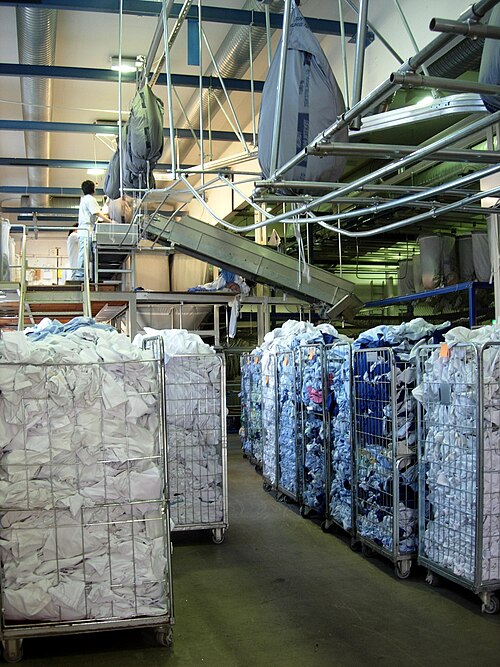
Wastewater Treatment in Laundries: Processes, Water Recycling, and Safe Discharge
Sector overview Industrial laundries generate large quantities of wastewater containing surfactants, organic substances, microfibers, and chemicals. Efficient treatment significantly reduces fresh water consumption, operating costs, and wastewater volumes. Simultaneously, it protects subsequent processes from contamination by solids, fats, and detergent residues. On this page, you will find an overview of suitable processes and modular solutions for wastewater treatment in laundries based on our extensive experience in this sector. PPU has designed manufactured and installed complete modular, turnkey solutions for laundries providing complete wastewater treatment and reuse for clients in Europe. Sector overview Contents Laundries generate complex contaminated laundry wastewater daily, containing surfactants, chemicals, fibers, and organic substances. Through various process steps, the water can be treated to be suitable for reuse in operations or for indirect discharge into the sewer system or directly into the environment. Appropriate wastewater treatment in laundries reduces operating costs, protects plant components, and helps comply
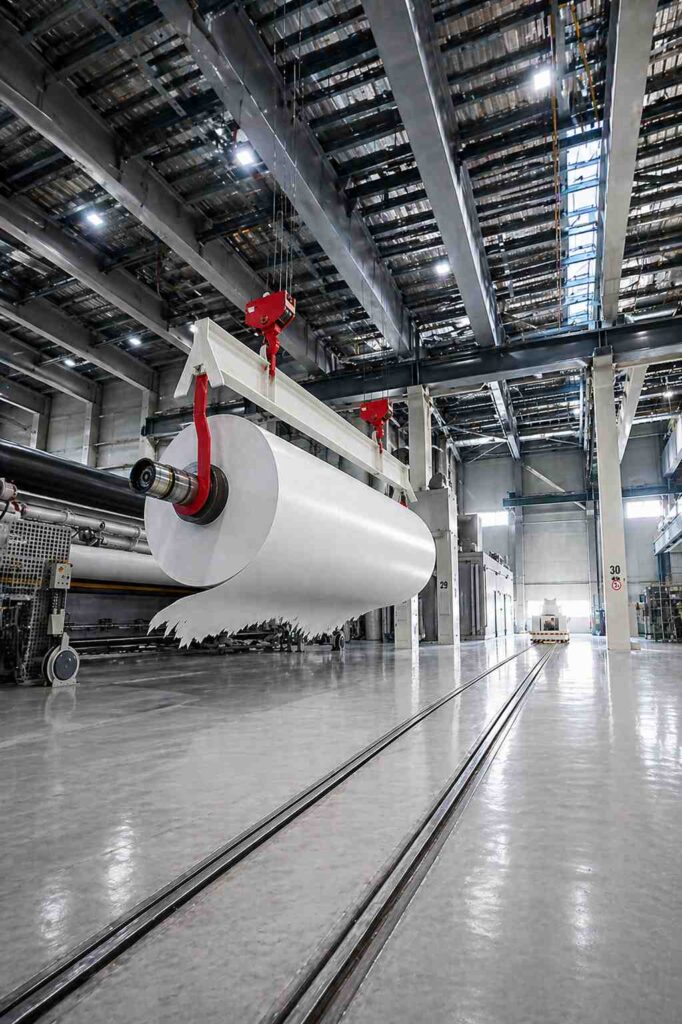
Wastewater treatment in the paper industry: processes, limit values and solutions
Sector overview Paper and pulp production generates large volumes of polluted wastewater containing organic substances, fibres and salts. High COD levels, deposits and increasing requirements for water reuse present companies with technical and economic challenges, for which ClearFox provides suitable solutions for efficient wastewater treatment. Sector overview Contents Sources of paper and pulp mill wastewater In wastewater treatment for the paper industry, the largest wastewater loads do not originate at the paper machine. Pulp production, groundwood, recovered paper processing and bleaching stages determine volume and pollution levels even before sheet formation. In integrated mills, dissolved organic substances from these stages enter the paper production water circuit directly. In the paper process, water performs several functions at once. It serves as a suspension medium, transport medium and solvent. Depending on the grade, 250 to 1,000 l of water per unit of product are required for fibre preparation and sheet formation.
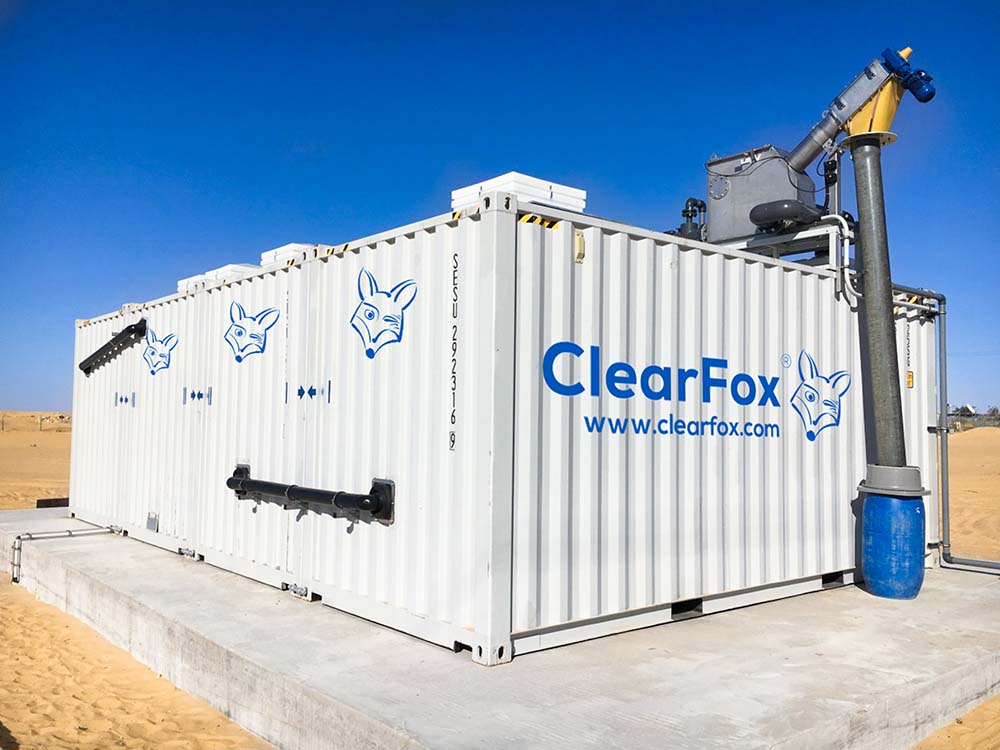
Wastewater Treatment in the Sugar Industry
Wastewater Treatment in the sugar industry Sector Overview The sugar industry produces large volumes of wastewater with a high organic load. Targeted treatment is therefore essential to comply with statutory discharge limits and to reuse water within the plant. At the same time, efficient treatment helps to reduce costs and environmental impact. On this page, you will find an overview of the available processes and solutions to help you find the right solution for your business. Sektorüberblick Inhalt Sources of sugar factory wastewater The processing of beet (during the campaign) generally takes place from September to December. Specific environmental impacts arise throughout the entire sugar production process, which must be taken into account when planning the treatment. Wastewater streams in sugar production Production step Production component Substances present in the wastewater Transport and fluming Flume channels, beet reception Soil, sand, stones, leaves, organic solids Washing and slicing Beet washing plant,
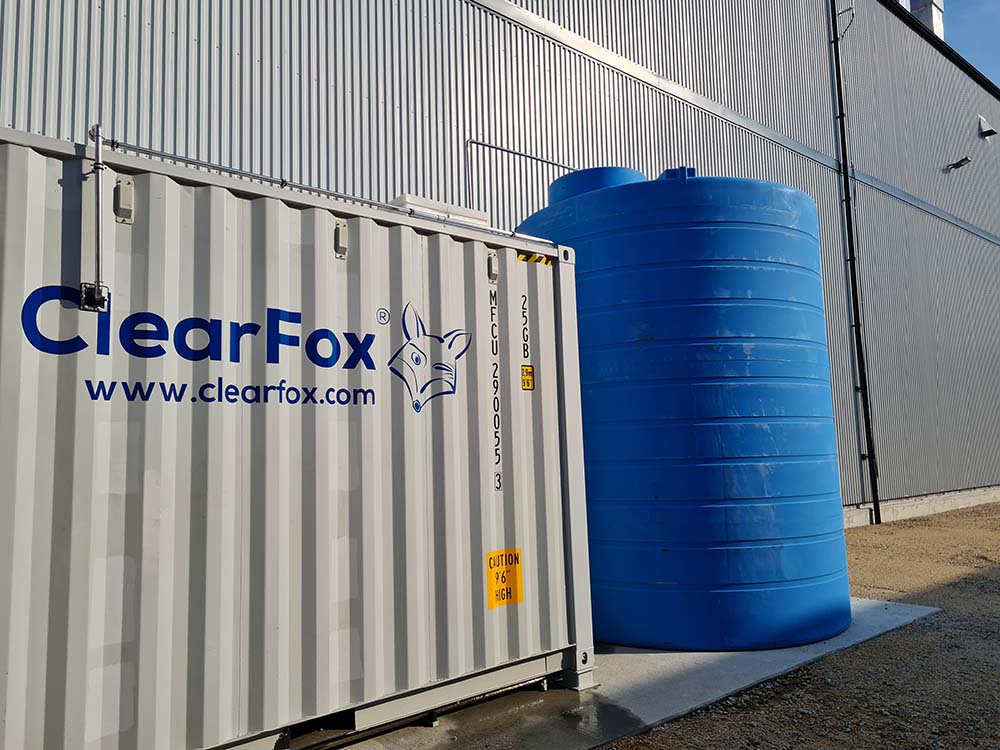
Wood Industry Wastewater Treatment for Bark and Board Streams
Technical guide to treating wastewater from bark pressing, wet debarking, wood-yard runoff, MDF/HDF side streams, and exhaust-cleaning condensates.
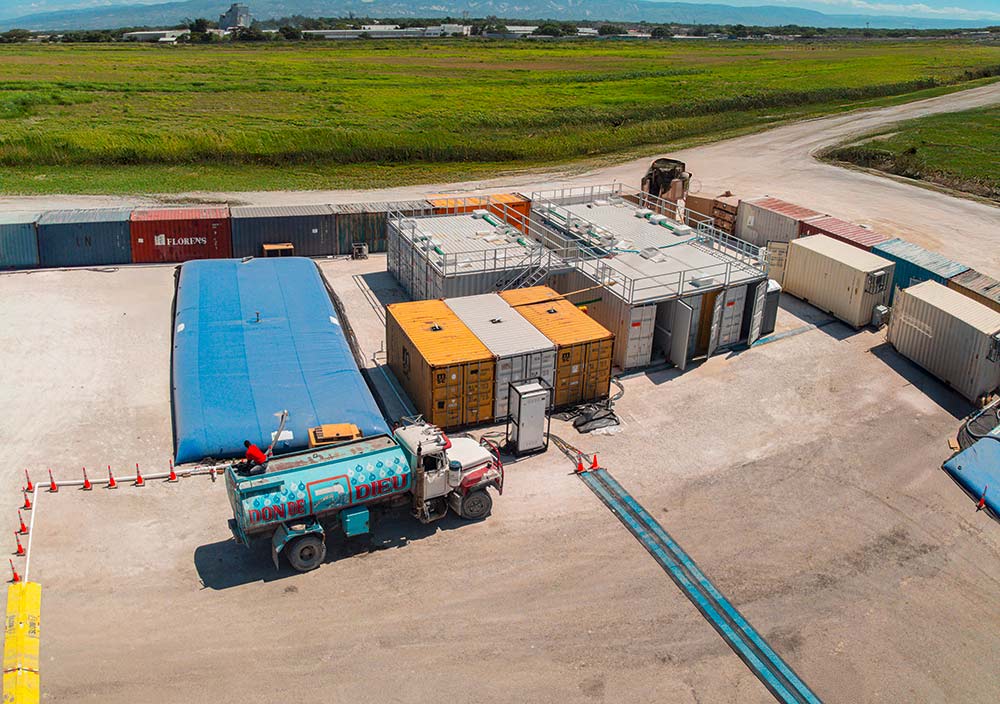
Camp Wastewater Treatment
ClearFox® specializes in custom-engineered wastewater treatment plants for camps of all sizes. Our solutions are designed to fit your operations—whether you’re operating a permanent accommodation site, or a temporary camp.
Continue reading to learn more.

- 40,000+ treatment systems
- Installed in over 50 countries
- Treating 25 million litres daily
- Certified.
- Compact.
- Containerized.
- [Clever.]
